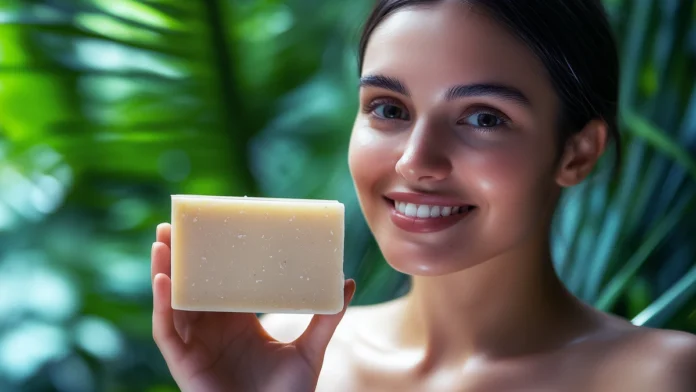


When you first start making soap, you can find various types of supplies to make custom products. Soap bases often include items such as butter, and colorants help add visual interest. Here are a few differences in soap making supplies for various techniques:
Use Melt and Pour Bases
Using a melt and pour base is one way to start making soap. This provides a process where soap makers don’t need to start from scratch. The method involves melting a pre-made soap base, then adding your own scents and colors before pouring it into molds to set. There are melt and pour bases that come in a variety of types; this includes shea butter, goat’s milk, or clear glycerin. Using this technique is advantageous in the following ways:
- No need for lye, making it safer for beginners
- Quick and easy process
- Wide range of options for scents and colors
Select Cold Process Ingredients
Choosing cold process ingredients is key to creating a successful batch of soap. For the base oils, use ones that have high levels of fatty acids. This includes oils, such as coconut, olive, and palm; these help give your soap a rich lather and moisturizing properties. To control the texture and consistency of your soap, measure out your ingredients accurately using a digital scale. Measuring enables you to make consistent batches of soap every time instead of guessing amounts by volume. When preparing a lye solution for the cold process, experiment with different combinations until you find one that ideal fit for you.
Choose Fragrance Oils
Including fragrance oils in your soap making supplies is a practical way to add scent to your product. You have the convenience of choosing from a variety of fragrances, including floral, fruity, and herbal scents. When you use multiple fragrance oils, you create profiles that are unique to your brand. You may match different scents to create a signature blend for your soap.
Incorporate Additives
Incorporating additives helps to personalize your skincare products; add exfoliants, such as oatmeal or seeds. Finely ground oatmeal may be gentle on skin. Adding dried flowers helps give soaps and bodycare products a varied texture. Look for a supplier that has dried botanicals such as rose petals and lavendar; these allow you to create an aesthetcially pleasing, unique product.
Some people may use are honey in their soap due to its moisturizing effects; others use shea or cocoa butter as an additional source of skin nourishment. A foaming milk base is an ideal option for those making bath products. Some of these milk bases are fragrance-free, making it suitable for people with sensitive skin.
Find Soap Making Supplies
Choosing supplier that has various soap making products lets you have access to a wide array of soap bases, essential oils, additives, and more. Using one supplier when making different soap products enables you to have a reliable source, and you avoid having to spend time searching multiple suppliers for what you need. Order your soap making supplies today and start creating your own personalized product.