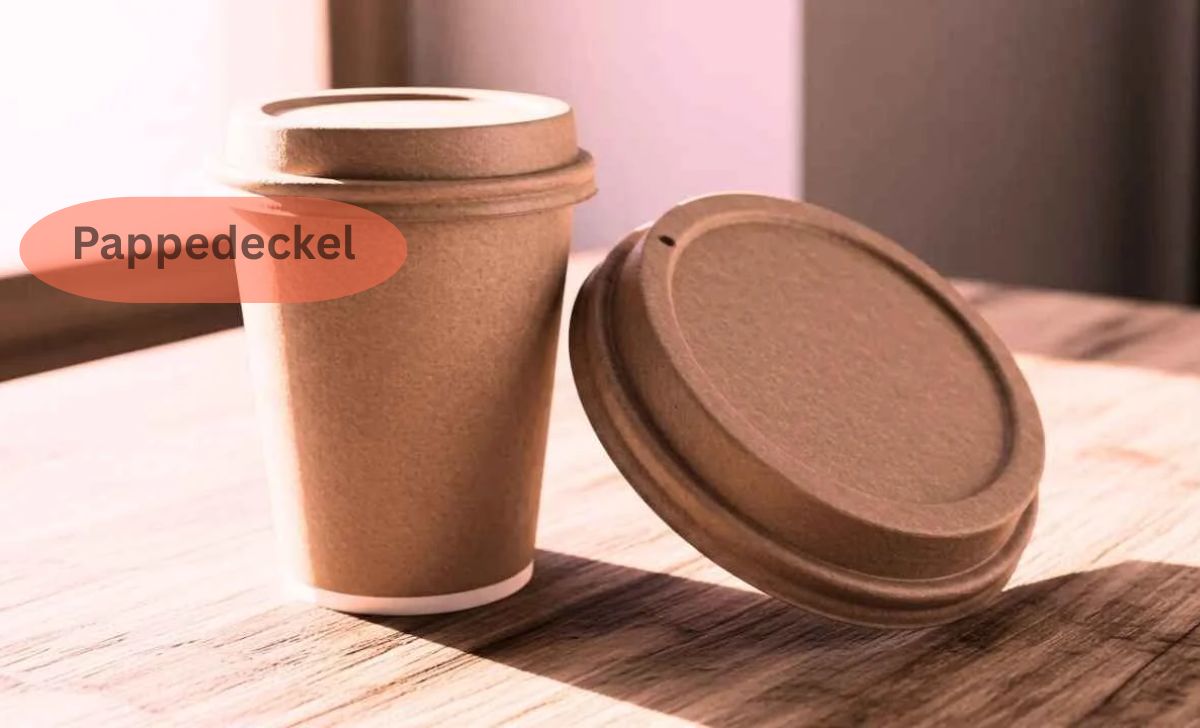


Pappedeckel, the innovative eco-friendly paper lid, has become a game-changer in modern packaging. Once considered a simple cover for cups and containers, it now represents sustainability, practicality, and creative possibilities.
From coffee shops to restaurants, bakeries, and household use, Pappedeckel protects beverages and food while reducing plastic waste. Its biodegradable and recyclable design makes it an environmentally responsible choice for businesses and consumers alike.
Beyond its practical use, Pappedeckel is customizable, lightweight, and versatile, making it an essential tool for branding, packaging, and even DIY projects. In this complete guide, we’ll explore its history, materials, types, benefits, and the exciting future of this sustainable lid.
Pappedeckel is the eco-friendly paper lid revolutionizing packaging. Discover materials, uses, benefits, and the future of sustainable lids.
What Is a Pappedeckel?
Meaning, Origin, and German Roots
The term Pappedeckel originates from German, where “Pappe” means cardboard and “Deckel” means lid or cover. Essentially, it is a paper or cardboard lid designed to cover containers, primarily in the food and beverage industry.
Over time, Pappedeckel has evolved from a simple protective layer to a symbol of sustainability, offering a practical solution to the global plastic problem. Its lightweight and recyclable nature makes it an eco-friendly alternative for everyday packaging.
Why It Matters in Modern Packaging
In today’s eco-conscious world, sustainable packaging is no longer optional it is a necessity. Pappedeckel provides a simple yet effective solution by reducing plastic waste, lowering carbon footprints, and maintaining the hygiene and safety of products. Businesses increasingly rely on Pappedeckel to align with consumer expectations and green branding initiatives.
How Pappedeckel Became a Sustainable Essential
The shift from plastic to paper-based packaging coincided with growing awareness of environmental issues. Pappedeckel became popular for cafes, restaurants, and takeaway services due to its functionality, biodegradability, and ease of customization. Its rise demonstrates how a small innovation can have a massive impact on sustainability practices globally.
The Evolution of Pappedeckel Through History
Early Food-Covering Methods Before Paper Lids
Before paper lids existed, people used parchment, leaves, and cloth to protect food and beverages. While practical, these methods were limited in durability and hygiene. The need for a lightweight, protective, and disposable solution led to the invention of cardboard lids.
Industrial Revolution and the Rise of Cardboard
The Industrial Revolution introduced mass production techniques, enabling cardboard manufacturing at scale. Cardboard quickly became the material of choice for food and beverage covers because it was affordable, moldable, and efficient. This period set the stage for modern Pappedeckel.
Germany’s Role in Shaping Modern Pappedeckel
Germany, with its innovative engineering and packaging expertise, played a pivotal role in popularizing the Pappedeckel. As café culture flourished in the 19th and early 20th centuries, these paper lids became an essential companion for takeaway beverages, particularly coffee.
Post-War Coffee Boom and Global Adoption
After World War II, coffee culture expanded globally, and the demand for disposable, hygienic lids increased. Pappedeckel transitioned from a regional solution to a global standard, especially with the rise of cafes and fast-food chains. Today, it represents both convenience and environmental responsibility.
Materials Used in Pappedeckel Today
Recycled Paperboard and Eco-Friendly Fibers
Modern Pappedeckel is primarily made from recycled paperboard. Using recycled fibers reduces deforestation and lowers energy consumption during manufacturing, making it a sustainable packaging choice.
Liquid-Resistant Coatings and Composites
To enhance durability, some Pappedeckel are coated with biodegradable or water-resistant materials. These coatings prevent leaks, maintain food quality, and extend usability without compromising eco-friendliness.
Biodegradable & Compostable Variants
Biodegradable Pappedeckel, often made from plant-based materials, decomposes naturally in composting systems. This ensures minimal environmental impact, appealing to businesses and consumers seeking green alternatives.
How Pappedeckel Is Manufactured
Raw Material Collection and Processing
High-quality cardboard and recycled fibers are collected and processed into sheets. This ensures consistency in texture, thickness, and durability, setting the foundation for reliable production.
Mold Pressing and Shape Formation
The cardboard sheets are cut and pressed into specific shapes using molds. Precision is key, as lids must fit perfectly onto cups, containers, and jars to prevent spillage.
Coating, Branding, and Quality Testing
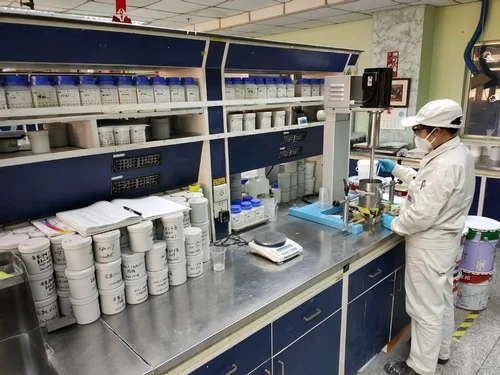
Lids may receive protective coatings, print designs, or branding logos. Each Pappedeckel undergoes strict quality testing to ensure strength, hygiene, and eco-friendliness before being packaged and distributed.
Pappedeckel in Modern Packaging Industries
Coffee Shops and Beverage Culture
From lattes to hot chocolate, coffee shops rely on Pappedeckel for spill prevention, warmth retention, and branding. Customizable designs allow businesses to communicate identity while supporting sustainability.
Restaurants, Bakeries, and Takeaway Meals
Restaurants and bakeries use Pappedeckel to package soups, sauces, and desserts. They maintain freshness during transport, ensuring food safety and customer satisfaction.
Supermarkets and Ready-to-Eat Products
Ready-to-eat meals, deli items, and pre-packaged snacks benefit from Pappedeckel’s protective qualities. Its lightweight nature reduces shipping costs and aligns with eco-conscious consumer trends.
Why Pappedeckel Is Better Than Plastic Lids
Environmental Benefits
Pappedeckel reduces plastic waste, is recyclable, and supports a circular economy. Unlike plastic, it naturally decomposes without harming ecosystems or leaving microplastics behind.
Safety Advantages (No Microplastics)
Plastic lids can leach microplastics into food and drinks, especially when heated. Pappedeckel is chemical-free, providing a safer option for consumers.
Cost, Weight, and Convenience Comparison
Pappedeckel is lightweight, easy to store, and cost-effective in bulk production. While slightly less durable than plastic, its environmental and branding benefits outweigh minor limitations.
Branding and Customization Potential
Businesses can print logos, slogans, and designs directly on Pappedeckel, enhancing customer engagement and promoting sustainable practices.
Types of Pappedeckel Used Today
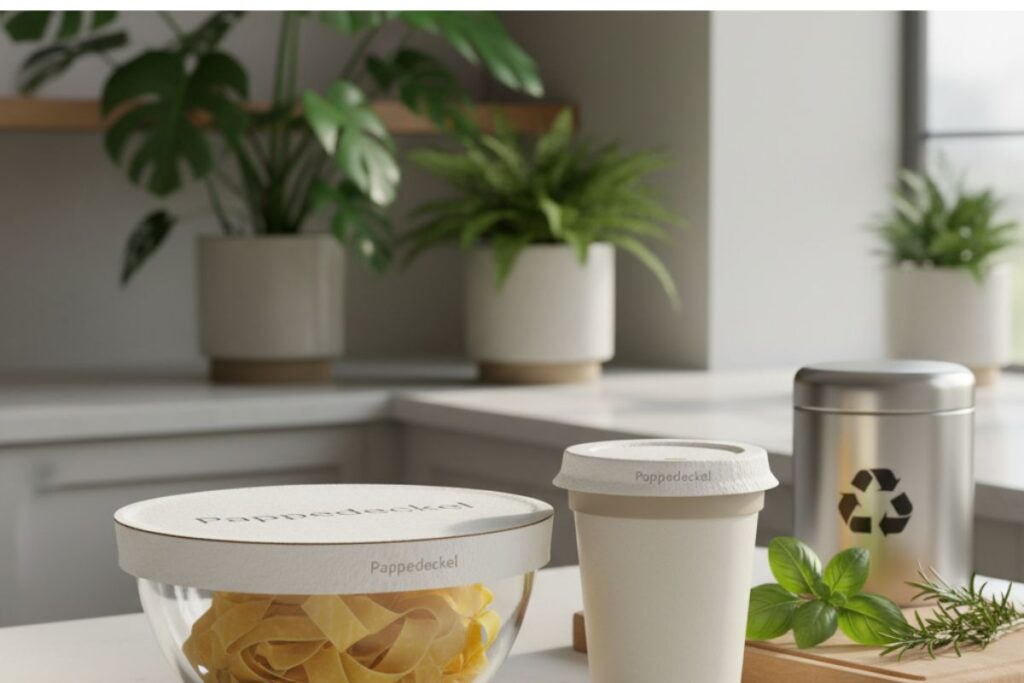
- Flat Paper Lids – Simple, lightweight lids for small containers and cold beverages.
- Sip Lids for Beverages – Designed with openings for sipping coffee, tea, or cold drinks.
- Heat-Resistant Coffee Lids – Coated to withstand hot liquids and prevent spills.
- Embossed and Custom-Cut Lids – Features branding, logos, or straw openings for a premium look.
- Compostable & Biodegradable Lids – Made from plant-based or recycled materials, eco-friendly.
- Dome-Shaped Lids – Extra space for toppings like whipped cream or garnishes.
- Pint-Sized Takeout Lids – Securely fit soups, sauces, or small food containers for transport.
Everyday Uses of Pappedeckel Beyond Food
DIY Crafts and Creative Projects
Artists use Pappedeckel as a canvas for painting, mixed media projects, and home décor, promoting recycling and creativity.
Home Storage and Organization
Cardboard lids act as protective covers for small containers, keeping household items clean and organized.
Eco-Friendly Events and Parties
They can serve as rustic place cards, coasters, or decorative elements for sustainable-themed events and parties.
Challenges and Limitations of Pappedeckel
Moisture and Heat Resistance Issues
While coatings improve durability, prolonged exposure to liquids or extreme heat may cause softening, limiting long-term use.
Durability vs. Plastic
Plastic lids offer superior resistance, but Pappedeckel compensates with eco-friendliness, lightweight design, and recyclability.
Cost Fluctuation Based on Region
Price may vary depending on material availability and manufacturing location, though bulk purchases remain affordable for most businesses.
The Future of Pappedeckel
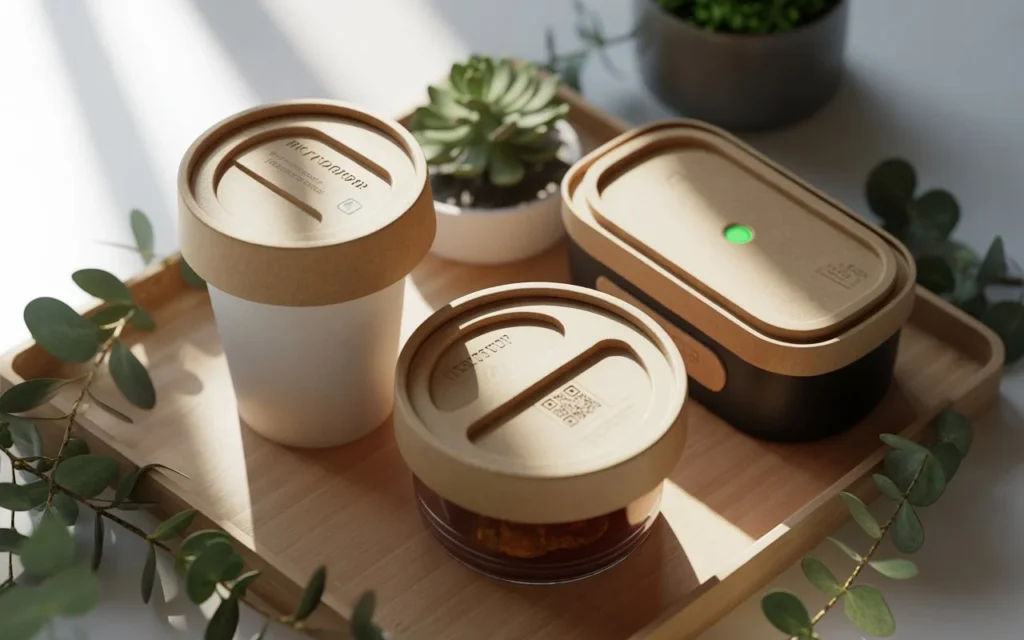
- Smart Paper Lids – Integration of sensors or QR codes for freshness and interactive features.
- Advanced Compostable Coatings – Improved biodegradability and water resistance for hot or cold drinks.
- Circular Economy Adoption – Lids designed for reuse, recycling, and closed-loop systems.
- Global Packaging Expansion – Increased use in food, beverages, and retail due to sustainability trends.
- AI-Driven Manufacturing – Optimized designs for cost, material efficiency, and eco-friendliness.
- Customizable Consumer Experience – More personalized lids for branding and marketing purposes.
- Integration with Smart Packaging – Potential to connect with apps for product info and tracking.
How Businesses Can Benefit from Using Pappedeckel
Sustainability Branding and Green Marketing
Using Pappedeckel signals a commitment to the environment, appealing to eco-conscious consumers and improving brand image.
Lower Carbon Footprint
Lightweight and recyclable, Pappedeckel reduces shipping emissions and material waste, contributing to greener supply chains.
Enhanced Customer Trust and Loyalty
Eco-friendly packaging fosters trust among consumers who prioritize sustainability, strengthening long-term brand loyalty.
FAQ
1: What is a Pappedeckel used for?
Pappedeckel is a paper lid primarily used for cups, containers, and takeaway packaging, offering eco-friendly protection and maintaining freshness.
2: Are Pappedeckel lids environmentally friendly?
Yes, they are biodegradable, recyclable, and made from sustainable materials, making them a greener alternative to plastic lids.
3: Can Pappedeckel withstand hot beverages?
Most Pappedeckel are designed with heat-resistant coatings, suitable for coffee, tea, and other hot drinks without deforming or leaking.
4: Are Pappedeckel customizable for branding?
Absolutely! Businesses can print logos, designs, or special messages, making Pappedeckel an effective marketing and brand awareness tool.
5: How should I dispose of a Pappedeckel lid?
Used Pappedeckel lids can be recycled or composted, depending on local facilities, ensuring minimal environmental impact.
Conclusion
The Pappedeckel is more than just a paper lid it’s a symbol of sustainable innovation. From protecting beverages to promoting eco-consciousness, this simple cardboard solution has revolutionized packaging worldwide. Businesses and consumers alike benefit from its versatility, recyclability, and environmental impact. Choosing Pappedeckel means supporting a cleaner planet while enjoying modern convenience.
Must Read