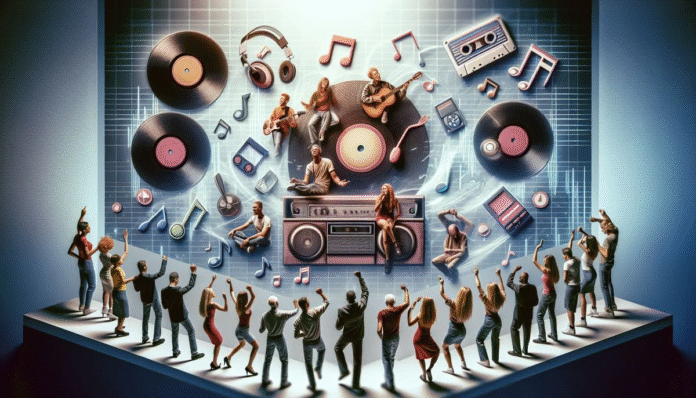

Music has always been more than just entertainment. From the first drumbeats of ancient civilizations to the viral TikTok hits of today, music reflects the culture, values, and emotions of its time. Alongside fashion, social media, and entertainment, music is a core pillar of pop culture, influencing trends, lifestyles, and social movements across the world. Understanding the link between music and pop culture trends can reveal a lot about society and the ways we connect.
The Influence of Music on Pop Culture
Pop culture, short for “popular culture,” is made up of ideas, behaviors, styles, and trends that are widely accepted and shared within society. Music plays a vital role in shaping pop culture. For instance, think about how hip-hop shaped streetwear fashion, or how K-pop influenced beauty standards and online communities globally. Music acts as both a mirror and a catalyst: it reflects what people feel and think, and it drives new trends in style, speech, and lifestyle.
The way music spreads has also changed dramatically. In the past, radio, television, and live concerts were primary sources of exposure. Today, streaming platforms, social media, and apps like TikTok and Instagram allow songs to reach millions instantly. A single viral track can inspire fashion, dance moves, and even slang overnight. This instantaneous connection between music and social culture is a hallmark of modern pop culture trends.
Current Trends in Music
1. Genre Blending
One of the most significant trends in today’s music scene is genre blending. Artists no longer stick to a single style; they mix pop, hip-hop, R&B, electronic, and even traditional music to create unique sounds. For example, Billie Eilish combines dark pop with electronic undertones, while Lil Nas X blends country and rap to produce genre-defying hits. This experimentation reflects the modern audience’s openness to diversity and new experiences.
2. Nostalgia-Driven Hits
Nostalgia has become a driving force in music trends. Many artists today are inspired by the 80s, 90s, and early 2000s. Whether through retro synth sounds, vinyl-style production, or sampling older tracks, nostalgia connects fans to cherished memories while creating new interpretations. Pop culture thrives on this emotional connection, as it shapes fashion choices, dance styles, and even online memes inspired by classic hits.
3. The Rise of Digital Communities
Music trends now thrive within online communities. Platforms like TikTok, Discord, and YouTube allow fans to interact directly with their favorite artists and each other. Viral challenges, remix competitions, and fan-created content contribute to trends that reach far beyond traditional charts. This digital interaction also democratizes music consumption—anyone with a smartphone can contribute to shaping pop culture.
4. Visuals and Fashion Integration
Today, music is not just about sound—it’s a visual experience. Music videos, live performances, and artist personas heavily influence fashion trends. Think of Lady Gaga’s bold costumes, BTS’s coordinated fashion statements, or Doja Cat’s trendsetting styles. Fans imitate these looks, making fashion an extension of musical taste. Pop culture, in turn, becomes a lifestyle, with music as the central reference point.
5. Social and Political Themes
Many contemporary artists use their platform to address social and political issues. Music becomes a medium for activism, spreading awareness about topics like mental health, climate change, and social justice. Kendrick Lamar, H.E.R., and Beyoncé are examples of artists whose music sparks conversation and inspires action. Pop culture trends increasingly reflect these societal concerns, demonstrating how music shapes not only entertainment but also public dialogue.
How Music Shapes Everyday Life
Music is more than background noise; it impacts mood, productivity, and personal identity. People often align themselves with specific genres, songs, or artists to express who they are. Music influences the way we dress, talk, and even consume other forms of media like films and games. In a way, music is a cultural glue—it connects generations, communities, and ideas, forming a shared experience that evolves continuously.
Future Predictions for Music and Pop Culture
As technology evolves, so will music trends. AI-generated music, virtual reality concerts, and interactive music experiences may redefine how we experience sound. Additionally, global music influences will continue to expand; K-pop, Latin reggaeton, Afrobeat, and other international genres are likely to become even more integrated into mainstream pop culture. The blending of real-life and digital experiences will create a more immersive pop culture, where music becomes a central thread in storytelling, fashion, and lifestyle.
Key Takeaway
Music and pop culture trends are inseparable. From the way songs go viral online to how fashion mirrors music icons, every beat resonates in broader society. Understanding these trends allows us to anticipate the next big movement, appreciate cultural diversity, and connect more deeply with the world around us.
FAQs About Music and Pop Culture Trends
1. How does social media affect music trends?
Social media allows songs and artists to reach a global audience instantly. Platforms like TikTok create viral challenges, helping tracks gain popularity quickly, while fan engagement shapes trends and even influences music production.
2. Why are genre-blending songs popular today?
Listeners enjoy variety and innovation. Mixing genres allows artists to appeal to wider audiences, experiment creatively, and create fresh sounds that stand out in a crowded music industry.
3. How does music influence fashion trends?
Artists often set visual trends through music videos, performances, and personal style. Fans emulate these styles, turning musical taste into fashion statements that define pop culture aesthetics.
4. Can music trends reflect societal changes?
Absolutely. Songs often address political, social, or emotional themes, reflecting collective consciousness. For example, protest songs, mental health anthems, and empowerment tracks highlight societal priorities and concerns.
5. What is the future of music in pop culture?
Technology will continue to reshape music consumption. Virtual reality concerts, AI-generated music, and global collaboration will create immersive experiences, making music an even more central part of pop culture.