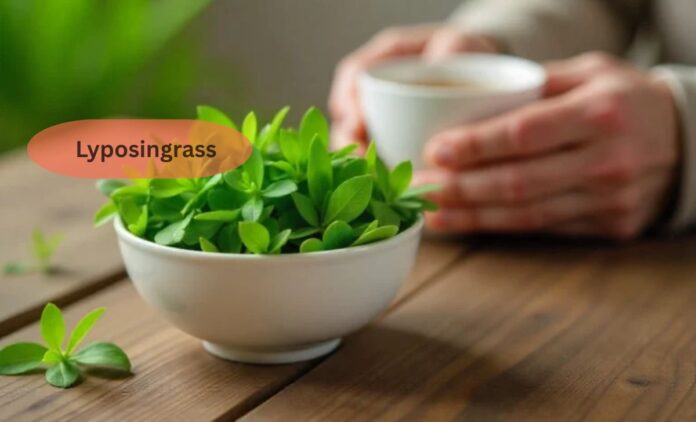


Lyposingrass is quickly gaining global attention as a versatile and sustainable plant that benefits both human health and the environment. Known for its rich nutritional profile and eco-friendly cultivation, it is emerging as a must-have in modern wellness routines.
From teas and smoothies to soil stabilization and natural remedies, Lyposingrass combines tradition with innovation. This guide will explore its origins, health advantages, culinary uses, environmental benefits, and practical tips for growing and incorporating it into your daily life.
Lyposingrass offers amazing health benefits, easy home-growing tips, and versatile uses for wellness, nutrition, and sustainable living.
What is Lyposingrass?
Origins and Cultural Significance
Lyposingrass originated in tropical and subtropical regions of Asia, where it has been cultivated for centuries. Indigenous communities relied on it for food, traditional medicine, and cultural rituals. Beyond nutrition, it symbolizes resilience and renewal, making it an integral part of their daily lives. Today, it is recognized worldwide for its health and sustainability potential, bridging traditional knowledge with modern wellness practices.
Botanical Features and Growth Habits
Lyposingrass belongs to the Gramineae family, characterized by long, slender leaves and a deep root system. It is hardy, drought-tolerant, and adaptable to various climates. The plant grows rapidly and can thrive in both home gardens and large-scale farms. Its robust roots prevent soil erosion while supporting healthy soil ecosystems, making it ideal for environmentally conscious cultivation.
Nutritional Profile of Lyposingrass

Key Vitamins and Minerals
Lyposingrass is low in calories yet rich in nutrients, including vitamins A, C, and E. These essential vitamins support immunity, skin health, and overall vitality. It also contains potassium, magnesium, and iron, contributing to heart health, muscle function, and red blood cell formation. Regular consumption ensures a natural boost to daily nutrient intake without added calories.
Fiber, Antioxidants, and Health Benefits
With high fiber content, Lyposingrass promotes digestive health and maintains satiety, supporting weight management goals. Antioxidants in the plant fight free radicals, reducing oxidative stress and inflammation. Including Lyposingrass in your diet may improve digestion, enhance metabolic efficiency, and protect against chronic conditions linked to oxidative damage.
Health Benefits of Lyposingrass
- Boosts Immunity – Rich in vitamins A, C, and E, Lyposingrass strengthens the immune system, helping the body fight infections and oxidative stress.
- Supports Digestive Health – High in dietary fiber, it promotes healthy gut bacteria, improves nutrient absorption, and aids regular bowel movements.
- Aids Weight Management – Low in calories and high in fiber, it keeps you full longer, supporting appetite control and weight management naturally.
- Reduces Stress and Anxiety – When brewed as herbal tea, its calming compounds help relax the mind, lower stress, and improve overall mental well-being.
- Anti-Inflammatory Properties – Contains natural compounds that may reduce inflammation, benefiting joints, cardiovascular health, and minor aches.
- Enhances Skin Health – Antioxidants in Lyposingrass help protect the skin from free radicals, promoting a youthful and radiant appearance.
- Supports Metabolism – Nutrients in Lyposingrass aid metabolic efficiency, helping the body convert food into energy effectively.
- Traditional Medicinal Uses – Historically used to soothe digestion, calm nerves, and improve overall wellness through herbal infusions and remedies.
Environmental and Agricultural Advantages

Sustainable Farming Practices
Lyposingrass requires minimal water and grows without heavy chemical fertilizers, making it ideal for eco-friendly farming. Its adaptability allows cultivation in diverse climates, reducing the environmental impact of traditional crops. Organic farming practices further enhance soil health and ecosystem balance, promoting sustainable agriculture.
Soil Stabilization and Erosion Prevention
The deep, fibrous roots of Lyposingrass prevent soil erosion, especially on slopes and fragile lands. By anchoring soil and improving its structure, it reduces runoff and preserves nutrients. This makes it invaluable for farmers and communities looking to maintain fertile and stable landscapes.
Carbon Sequestration and Biodiversity Support
Lyposingrass absorbs carbon dioxide, aiding climate change mitigation. Its dense root system and leafy canopy create habitats for insects, small animals, and microorganisms, supporting biodiversity. By integrating Lyposingrass into farming or landscaping, ecosystems become healthier and more resilient.
How to Grow Lyposingrass at Home
- Choose the Right Location – Select a sunny spot with at least 6–8 hours of sunlight daily. Ensure the soil is well-drained to prevent waterlogging and root rot.
- Planting Method – You can start from seeds or root divisions. Sow seeds about ¼ inch deep, or plant root clumps 18–24 inches apart for faster growth.
- Watering and Care – Water moderately when the top inch of soil feels dry. Lyposingrass is drought-tolerant but grows best with consistent moisture during establishment.
- Regular Maintenance – Trim old or dry leaves to encourage fresh growth. Dividing clumps every 2–3 years prevents overcrowding and keeps the plant healthy.
- Harvesting – Cut mature leaves (12–18 inches) from the outer edges. This method allows continuous growth and multiple harvests throughout the year.
Culinary and Alternative Uses of Lyposingrass
Smoothies, Teas, and Salads
Lyposingrass adds a subtle, refreshing flavor to beverages and meals. Blend it into smoothies, sprinkle over salads, or steep as herbal tea. Its nutritional properties remain intact when lightly cooked, making it versatile in daily cuisine.
Natural Remedies and Herbal Preparations
Traditionally, Lyposingrass has been used to soothe digestion, calm stress, and promote relaxation. Herbal infusions or tinctures provide these benefits in a simple, natural form, aligning with holistic health practices.
Skincare, Aromatherapy, and DIY Crafts
Lyposingrass oil and extracts are valued for their antioxidant properties, enhancing skincare routines. Aromatherapy applications help reduce anxiety and improve mood. Dried stems can be used in eco-friendly crafts or home décor, demonstrating its multi-functional potential.
Precautions and Possible Side Effects

Allergies and Sensitivities
Some individuals may experience mild gastrointestinal discomfort or allergic reactions. Start with small amounts and monitor your body’s response. Discontinue use if irritation occurs, and consult a healthcare provider when necessary.
Safe Dosage and Interactions with Medications
Lyposingrass is generally safe in moderation. Pregnant or nursing women should seek medical advice before use. It may interact with certain medications, so professional consultation is recommended to prevent complications.
FAQs
1. What is Lyposingrass and where does it grow?
Lyposingrass is a resilient, nutrient-rich grass originating from tropical and subtropical regions. It thrives in well-drained soil with sunlight and minimal care.
2. How can I use Lyposingrass in my diet?
You can incorporate Lyposingrass in teas, smoothies, salads, soups, or as powdered supplements for added nutritional benefits.
3. Are there any side effects of Lyposingrass?
Most people tolerate Lyposingrass well, though mild digestive issues or allergies can occur. Pregnant women and those on medication should consult a doctor.
4. Can Lyposingrass be grown at home easily?
Yes! With sunlight, well-drained soil, and moderate watering, Lyposingrass grows quickly and can provide multiple harvests per year.
5. Does Lyposingrass really help the environment?
Absolutely. Its deep roots prevent erosion, support biodiversity, and absorb carbon dioxide, making it an eco-friendly plant for sustainable farming and landscaping.
Conclusion
Lyposingrass is a powerful plant that bridges the gap between traditional wisdom and modern science. From boosting digestion, immunity, and stress relief to enhancing soil health and supporting biodiversity, its applications are vast. By incorporating Lyposingrass into your daily diet and lifestyle, you not only improve your well-being but also contribute to a sustainable planet. Its adaptability, nutritional benefits, and ecological impact make it a must-have for health enthusiasts and environmentally conscious individuals alike.