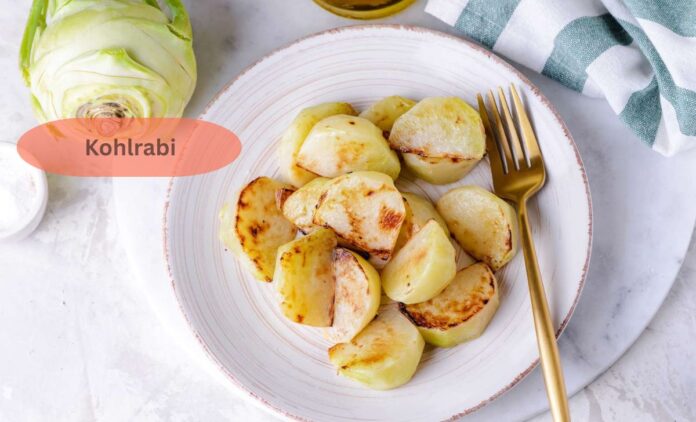


Kohlrabi is a unique, nutrient-rich vegetable belonging to the cabbage family, known for its crisp texture and mild, slightly sweet flavor. It can be eaten raw, roasted, steamed, or sautéed, making it highly versatile in the kitchen. Packed with vitamins, minerals, and fiber, kohlrabi supports digestion, immunity, and overall health.
This guide explores everything about kohlrabi, including its nutritional benefits, preparation methods, culinary uses, and tips for growing it at home, offering a complete resource for health-conscious and creative cooks.
Kohlrabi: Learn about its health benefits, nutritional value, cooking methods, and growing tips for this versatile and crunchy vegetable.
What is Kohlrabi?
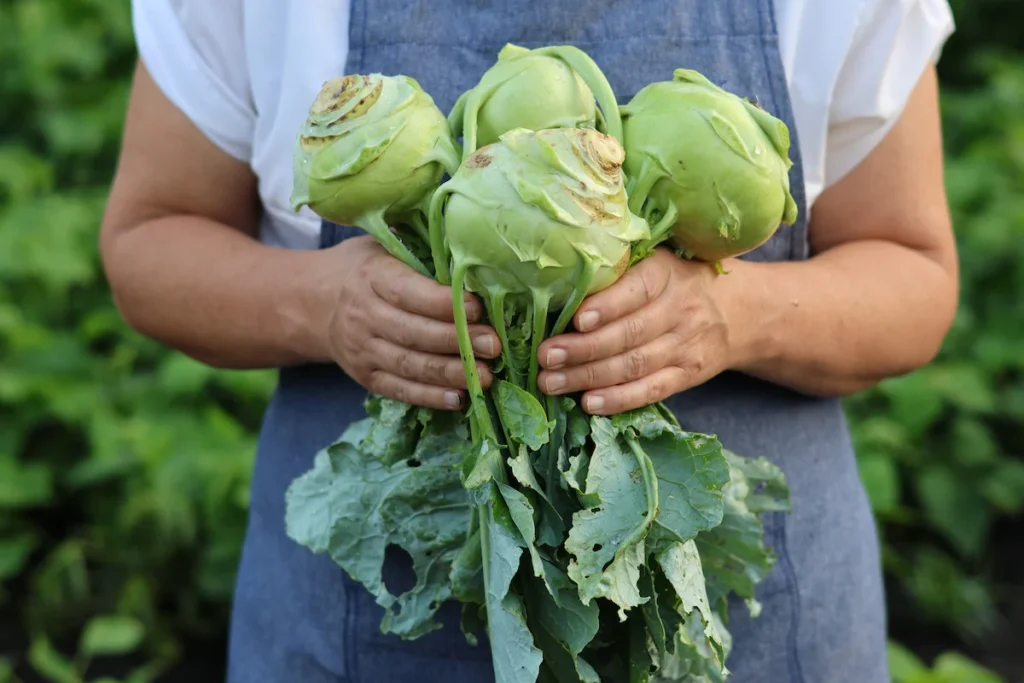
Kohlrabi is a bulbous vegetable that grows above ground and belongs to the cabbage family. Its mild, slightly sweet flavor makes it versatile in cooking, while its crunchy texture adds freshness to salads, stir-fries, or roasted dishes, making it both nutritious and enjoyable for all ages.
Origin and History of Kohlrabi
Kohlrabi originated in Europe, particularly in Germany, where it has been cultivated for centuries. Its name literally means “cabbage turnip.” Over time, it became popular worldwide because of its adaptability, nutritional benefits, and ability to grow in cool climates, making it a staple in many cuisines.
Nutritional Benefits of Kohlrabi
Kohlrabi is a nutrient-dense vegetable that supports overall health. It is low in calories but rich in vitamins, minerals, and antioxidants, helping strengthen the immune system, improve digestion, and promote heart health. Including it in your daily meals is an excellent way to boost nutrient intake while enjoying a flavorful vegetable.
Vitamins and Minerals in Kohlrabi
Kohlrabi contains essential vitamins such as vitamin C, B6, and folate, along with minerals like potassium, magnesium, and calcium. These nutrients support immunity, bone health, and energy production, making kohlrabi a highly beneficial addition to a balanced, nutrient-rich diet for all ages.
Health Benefits for Immunity and Digestion
Kohlrabi’s antioxidants help reduce inflammation and boost immunity, while its high fiber content supports healthy digestion and regular bowel movements. Regular consumption of kohlrabi promotes gut health, enhances nutrient absorption, and contributes to overall wellness, making it an ideal vegetable for healthy living.
Low-Calorie and Weight Management Benefits
Being low in calories and high in fiber, kohlrabi is perfect for weight management. It helps keep you full for longer periods, reduces overeating, and supports blood sugar control. Adding kohlrabi to meals encourages healthy eating habits while providing essential nutrients for the body.
How to Select and Store Kohlrabi
Choosing fresh kohlrabi and storing it correctly ensures the best taste, texture, and nutrition. Look for firm, smooth bulbs without blemishes, and bright green leaves if using them. Proper storage in a cool, slightly humid environment maintains freshness and extends shelf life for up to two weeks.
Tips for Choosing Fresh Kohlrabi
Select firm, heavy bulbs that are free from cracks, blemishes, or soft spots. Smaller bulbs are usually sweeter and more tender. If you plan to use the leaves, choose those that are crisp, vibrant, and free from yellowing for maximum freshness and nutritional value.
Proper Storage Techniques to Keep Kohlrabi Fresh
Remove leaves before storing the bulbs, as they can draw moisture from the vegetable. Keep kohlrabi in a perforated plastic bag inside the refrigerator. This preserves its crisp texture, flavor, and nutritional content, ensuring it remains fresh and ready for cooking or eating raw.
Ways to Prepare and Cook Kohlrabi
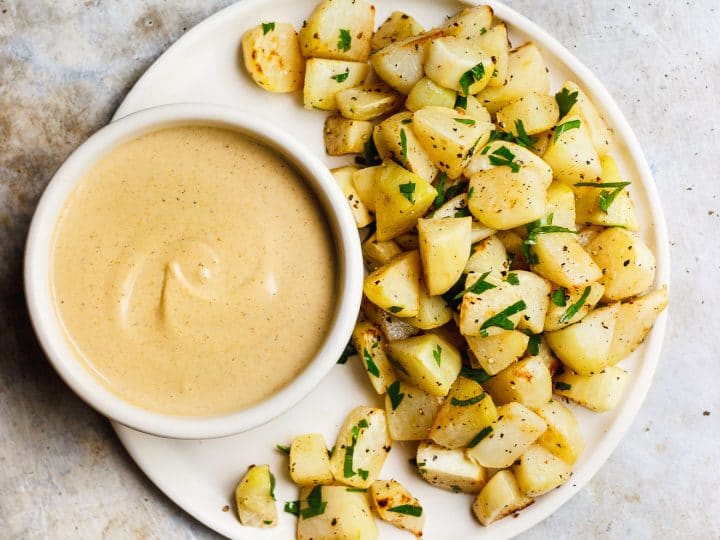
Kohlrabi is a versatile vegetable suitable for raw, roasted, steamed, or sautéed dishes. Its mild flavor complements a variety of ingredients, and its firm texture holds up well during cooking. Kohlrabi can also be spiralized for low-carb alternatives, making it a flexible option for creative home cooking.
Raw Kohlrabi Recipes and Salads
Peel and slice or shred kohlrabi to enjoy it raw in salads or slaws. Combine it with carrots, apples, or cabbage and add a light vinaigrette or dressing. Raw kohlrabi provides a refreshing crunch while preserving all its vitamins, fiber, and natural sweetness.
Cooking Methods: Roasting, Steaming, and Stir-Frying
Roasting kohlrabi enhances its natural sweetness, while steaming softens it for soups and stews. Stir-frying with olive oil, garlic, or spices produces a quick, flavorful dish. Its firm texture allows it to remain slightly crisp even after cooking.
Creative Kohlrabi Dishes Around the World
In Europe, kohlrabi is added to creamy soups and gratins, while in Asia it is often stir-fried with soy sauce or sesame oil. Its adaptability makes it ideal for global cuisines, offering opportunities to create both traditional and innovative dishes with a unique flavor and texture.
Growing Kohlrabi at Home
- Choose the Right Soil: Kohlrabi thrives in fertile, well-drained soil with a pH of 6.0–7.5. Enrich the soil with compost or organic matter for healthy growth.
- Planting Seeds: Sow seeds directly in the garden or start indoors 4–6 weeks before transplanting. Space plants 6–8 inches apart for proper development.
- Sunlight Requirements: Kohlrabi prefers full sun, receiving at least 6 hours of direct sunlight daily for optimal growth and bulb formation.
- Watering: Keep the soil consistently moist but not waterlogged. Regular watering ensures crisp, tender bulbs and prevents woody textures.
- Mulching: Apply mulch around the base to retain moisture, control weeds, and maintain an even soil temperature.
- Fertilization: Use balanced fertilizer or compost every few weeks to supply essential nutrients for healthy bulbs and leaves.
- Pest and Disease Control: Watch for aphids, cabbage worms, and fungal issues. Use natural remedies or organic pesticides to protect plants.
- Harvesting: Kohlrabi bulbs are ready to harvest when 2–3 inches in diameter. Cut the bulb just above the soil line using a sharp knife.
Fun Facts and Lesser-Known Uses
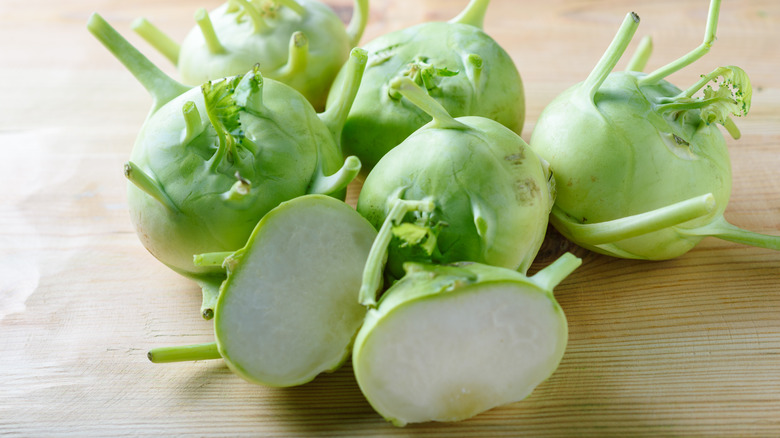
Kohlrabi is not only nutritious but also versatile and culturally significant. Both the bulb and leaves can be used creatively in cooking. Its history, culinary uses, and health benefits make it a fascinating vegetable, inspiring chefs and home cooks to explore new recipes and enjoy its mild flavor and crisp texture.
Unique Culinary Uses of Kohlrabi
Kohlrabi leaves can be sautéed like spinach, while the bulb can be roasted, steamed, or spiralized as a low-carb pasta alternative. Its versatility allows it to be included in soups, salads, slaws, or creative global recipes.
Kohlrabi in Traditional Medicine and Culture
Historically, kohlrabi has been valued for digestive health, immunity, and overall wellness. Many cultures used it in traditional diets for its high vitamin and antioxidant content. Its culinary and medicinal significance demonstrates its long-standing importance in various cultures.
Interesting Trivia About Kohlrabi
Kohlrabi belongs to the brassica family, including cabbage, kale, and broccoli. Unlike most root vegetables, its bulb grows above the ground. Its unique shape, mild flavor, and nutritional value have increased its popularity among modern home cooks.
FAQs
1. Is Kohlrabi Good for Weight Loss?
Yes, kohlrabi is low in calories and high in fiber, which promotes satiety and helps control blood sugar, making it excellent for weight management.
2. How Do You Eat Kohlrabi Raw?
Peel the outer skin, slice or shred the bulb, and enjoy it in salads, slaws, or as a crunchy snack. Raw kohlrabi retains all its nutrients while offering a refreshing texture.
3. Can Kohlrabi Be Stored for a Long Time?
Kohlrabi bulbs last up to two weeks in the refrigerator when stored properly. Remove the leaves and store the bulb in a perforated plastic bag for maximum freshness.
4. Is Kohlrabi Good for Kids?
Yes, kohlrabi’s mild flavor and crunchy texture make it ideal for children. It also provides essential nutrients like vitamin C, potassium, and fiber to support healthy growth.
5. What Does Kohlrabi Taste Like?
Kohlrabi has a mild, slightly sweet flavor, similar to a mix of cabbage and broccoli stems. Its crisp texture is enjoyable raw or cooked, adding flavor and nutrition to any meal.
Conclusion
Kohlrabi is a versatile, nutritious vegetable that can be enjoyed raw, cooked, or roasted. Its health benefits, ease of growth, and adaptability in cooking make it a must-try for home cooks and gardeners. Incorporating kohlrabi into your meals promotes wellness, encourages healthy eating, and allows creative culinary experimentation.