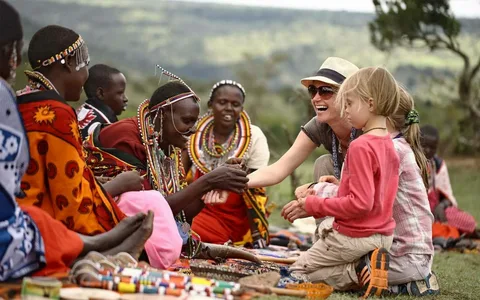


Traveling is no longer just about visiting famous landmarks or snapping Instagram-worthy photos. For many travelers today, the true essence of a journey lies in experiencing different cultures firsthand. Cultural travel experiences offer a unique way to connect with people, traditions, and lifestyles that are different from our own. Unlike regular tourism, cultural travel dives deep into the heart of a community, offering insights into its history, art, food, and daily life.
Understanding Cultural Travel
Cultural travel is all about immersing yourself in a destination’s traditions, values, and way of life. It goes beyond seeing the sights and focuses on learning from local communities. This could include participating in festivals, trying traditional foods, learning local crafts, or even staying with a local family. The idea is to experience travel in a way that is authentic and respectful to the local culture.
Unlike typical sightseeing tours, which are often planned around famous attractions, cultural travel emphasizes interaction, understanding, and meaningful experiences. It’s about asking questions, listening, and appreciating the subtleties that make each place unique.
Why Cultural Travel Matters
There are several reasons why cultural travel is becoming increasingly popular among modern travelers:
- Authentic Experiences: Cultural travel allows you to experience the real life of a community, not just a tourist-friendly version. From cooking traditional meals to learning local dances, these experiences are often memorable and personal.
- Personal Growth: Engaging with different cultures challenges your perceptions and broadens your worldview. It teaches patience, empathy, and adaptability.
- Supporting Local Communities: By participating in cultural activities, tourists contribute to local economies and help preserve traditions. Many small artisans, farmers, and performers rely on visitors to keep their crafts alive.
- Sustainable Tourism: Cultural travel encourages responsible tourism. It promotes respect for local customs and reduces the environmental impact of conventional mass tourism.
Popular Cultural Travel Experiences Around the World
Different countries offer unique cultural experiences that reflect their history, traditions, and lifestyle. Here are some examples:
1. Participating in Traditional Festivals
Festivals are a vibrant way to experience a culture. For example, attending Holi in India allows travelers to witness the festival of colors, engage in joyful celebrations, and learn about its historical significance. Similarly, Carnival in Brazil offers music, dance, and costume experiences that are deeply rooted in local tradition.
2. Learning Local Crafts and Skills
Many travelers enjoy workshops where they can learn traditional arts such as pottery in Morocco, weaving in Guatemala, or calligraphy in Japan. These hands-on experiences not only provide souvenirs but also create lasting memories of personal achievement.
3. Culinary Adventures
Food is one of the most direct ways to connect with a culture. Participating in cooking classes, visiting local markets, and tasting traditional dishes allow travelers to understand cultural nuances, ingredients, and cooking techniques unique to each region. For example, making sushi in Japan or exploring street food in Thailand can be both educational and delicious.
4. Homestays and Village Visits
Staying with a local family is a powerful way to immerse yourself in daily life. Homestays offer insights into family routines, local traditions, and social norms. Whether it’s milking cows on a farm in Italy or joining a tea ceremony in China, these experiences foster genuine human connection.
5. Exploring Historical and Spiritual Sites
While sightseeing is part of cultural travel, focusing on historical and spiritual sites with context adds depth to the experience. Visiting ancient temples, heritage villages, or sacred sites provides insight into the spiritual beliefs, architecture, and values of a community.
Tips for Enjoying Cultural Travel Experiences
To make the most out of cultural travel, it’s important to approach it with respect and openness:
- Research Before You Go: Learn about local customs, language basics, and etiquette. Knowing how to greet people or what behaviors are considered polite goes a long way.
- Engage With Locals: Ask questions, join activities, and listen actively. Genuine curiosity fosters meaningful interactions.
- Respect Traditions: Avoid actions that may be offensive, like inappropriate dress in religious sites or insensitive photography.
- Be Open-Minded: Not all customs will make immediate sense, and that’s okay. Embrace the differences and use them as learning opportunities.
- Support Local Businesses: Buy crafts, eat at family-run restaurants, and hire local guides. Your support helps preserve cultural heritage and encourages sustainable tourism.
Benefits of Cultural Travel
Experiencing a culture up close can transform your travel journey in many ways:
- Deeper Connection: You develop a genuine bond with the people and places you visit.
- Enhanced Understanding: You gain knowledge of historical, social, and cultural contexts that enrich your perspective.
- Personal Fulfillment: Learning new skills or participating in traditions creates meaningful memories that last a lifetime.
- Inspiring Creativity: Exposure to diverse art, music, and cuisine can spark new ideas and inspire creativity.
- Lifelong Friendships: Meeting locals and fellow travelers with similar interests often leads to lasting friendships.
Challenges to Consider
While cultural travel is rewarding, it’s important to be mindful of potential challenges:
- Language Barriers: Communication may be difficult in remote areas. Learning basic phrases or hiring a local guide can help.
- Cultural Misunderstandings: Despite your best efforts, mistakes may happen. Apologize respectfully and be open to learning.
- Tourist Pressure: Popular cultural sites can get crowded. Visit lesser-known areas for a more authentic experience.
Conclusion
Cultural travel experiences offer much more than the typical tourist experience. They allow travelers to connect deeply with local communities, understand diverse lifestyles, and create lasting memories. Whether through food, festivals, crafts, or homestays, cultural travel transforms journeys into enriching life experiences. It reminds us that travel is not just about where we go, but how we engage with the world and its people. By embracing cultural travel, you open the door to authentic adventures, personal growth, and a deeper appreciation of the rich tapestry of human life.
FAQs About Cultural Travel Experiences
1. What is the difference between cultural travel and regular tourism?
Cultural travel focuses on learning, participating, and engaging with local communities, while regular tourism often centers on sightseeing and visiting popular attractions.
2. Can cultural travel be budget-friendly?
Yes! Many cultural experiences, like attending local festivals, volunteering, or homestays, can be affordable and provide meaningful experiences without expensive tours.
3. How do I choose the best cultural experiences?
Research the region, talk to locals or guides, and prioritize activities that involve direct interaction, learning, and participation in traditions.
4. Is it safe to participate in cultural activities abroad?
Most cultural activities are safe if you follow local guidelines, respect traditions, and choose reputable operators or hosts. Always research and prepare ahead.
5. How can I make my cultural travel experience more meaningful?
Engage actively with locals, learn about their history and customs, try local foods, and be open to new experiences without judgment.