

Axurbain is reshaping the way we think about cities. Combining smart technology, sustainability, and human-centered design, it promises a future where urban life is efficient, connected, and innovative.
From improving mobility to enhancing community living, Axurbain offers solutions that traditional city models often miss. This article explores its principles, applications, benefits, and challenges, helping you understand why it matters today.
Axurbain: Explore how this smart, sustainable urban model transforms cities with technology, human-centered design, and innovative solutions for a modern, connected lifestyle.
What is Axurbain?
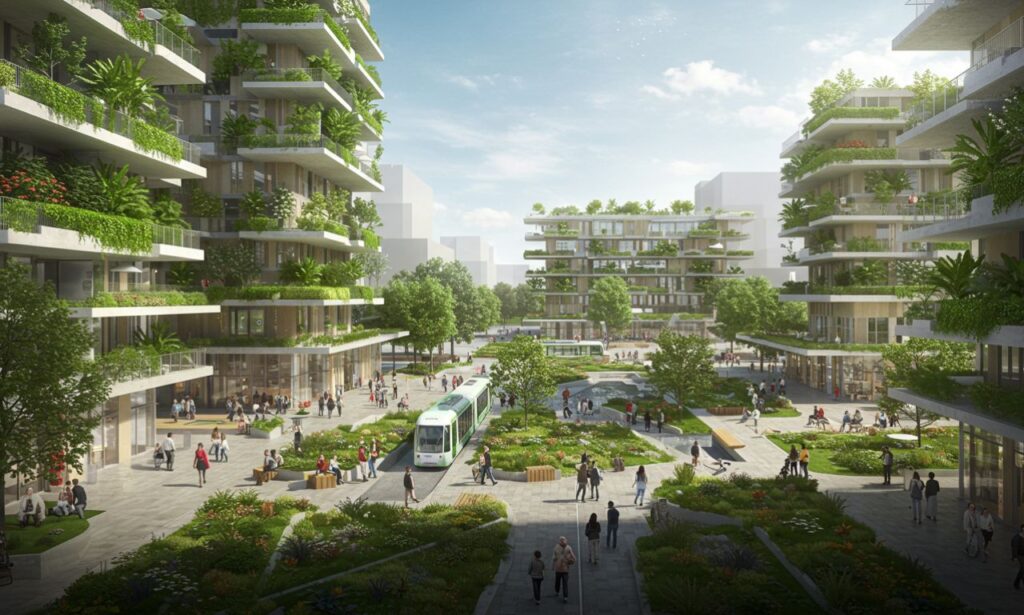
Axurbain is an innovative urban concept that reimagines how cities function. Unlike traditional cities, it emphasizes citizen-centric design, smart infrastructure, and sustainability.
The model combines technology, creativity, and planning to improve mobility, reduce environmental impact, and enhance social interactions. It’s designed to make urban spaces more adaptable, inclusive, and livable. Understanding Axurbain helps visualize the future of smart cities worldwide.
Key Principles and Features of Axurbain
- Smart Technology: Integrates data-driven systems for energy, traffic, and public services.
- Sustainability: Focuses on renewable energy, green spaces, and minimal environmental impact.
- Connectivity: Enhances communication between citizens, businesses, and governments.
- Creativity and Culture: Promotes art, innovation hubs, and recreational spaces.
- Human-Centered Design: Prioritizes the needs and comfort of residents.
- Adaptability: Ensures infrastructure can evolve with future urban challenges.
- Efficiency: Reduces waste and streamlines urban services for better productivity.
Applications in Urban Planning and Lifestyle
Axurbain impacts multiple aspects of city life:
- In urban planning, it improves mobility, reduces congestion, and optimizes public services.
- In business and economy, it supports tech-driven growth and investment opportunities.
- In community and lifestyle, it encourages inclusive public spaces and social engagement.
- Urban infrastructure integrates technology to enhance efficiency while maintaining sustainability.
- Cultural and recreational programs are designed to enrich citizen experience.
- The model provides measurable improvements in quality of life and urban functionality.
- Residents, entrepreneurs, and policymakers all benefit from its holistic approach.
How Axurbain Works in Cities
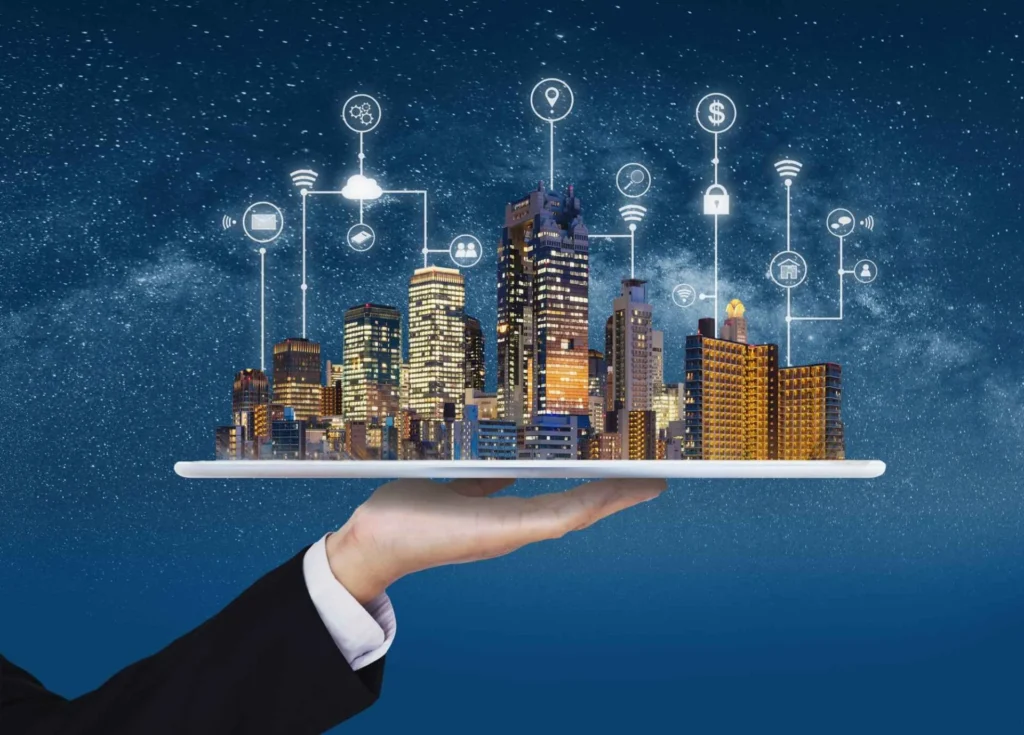
Axurbain requires cooperation between governments, communities, and technology providers. Local authorities implement smart systems for energy, transport, and public services.
Communities are engaged to ensure urban solutions meet real needs. Data-driven insights guide continuous improvement. Case studies highlight measurable benefits, including improved mobility, environmental sustainability, and citizen satisfaction. Technology and innovation remain central to successfully translating the Axurbain model from concept to reality.
Benefits of Axurbain
- For Residents: Better mobility, cleaner environment, and enhanced public services.
- For Businesses: Efficient infrastructure and supportive digital ecosystems.
- For Governments: Streamlined city management and data-driven planning.
- Environmental Impact: Reduced pollution and promotion of renewable energy.
- Social Well-being: Inclusive public spaces and strong community networks.
- Economic Growth: Encourages innovation hubs and urban entrepreneurship.
- Enhanced Quality of Life: Makes cities more livable, resilient, and vibrant.
Challenges and Criticisms
espite its promise, Axurbain faces challenges. Implementing smart systems requires significant investment, skilled workforce, and advanced technology. Critics argue it can become a buzzword, emphasizing style over substance.
Potential issues include unequal access, privacy concerns, and mismanaged projects. Learning from past attempts and pilot projects is essential to overcome these obstacles. Transparent planning and stakeholder collaboration can address most criticisms effectively..
Comparing Axurbain to Traditional City Models
Axurbain differs significantly from conventional urban approaches:
- Focuses on smart technology, citizen engagement, and sustainability.
- Traditional models often prioritize infrastructure over community experience.
- Axurbain uses data-driven solutions for efficiency and resource management.
- Encourages participatory planning, unlike top-down decisions in traditional cities.
- Promotes creative and cultural spaces alongside functional infrastructure.
- Provides adaptive systems to meet evolving urban challenges.
- Offers a practical framework for cities aiming to modernize sustainably.
The Future of Axurbain and Urban Innovation
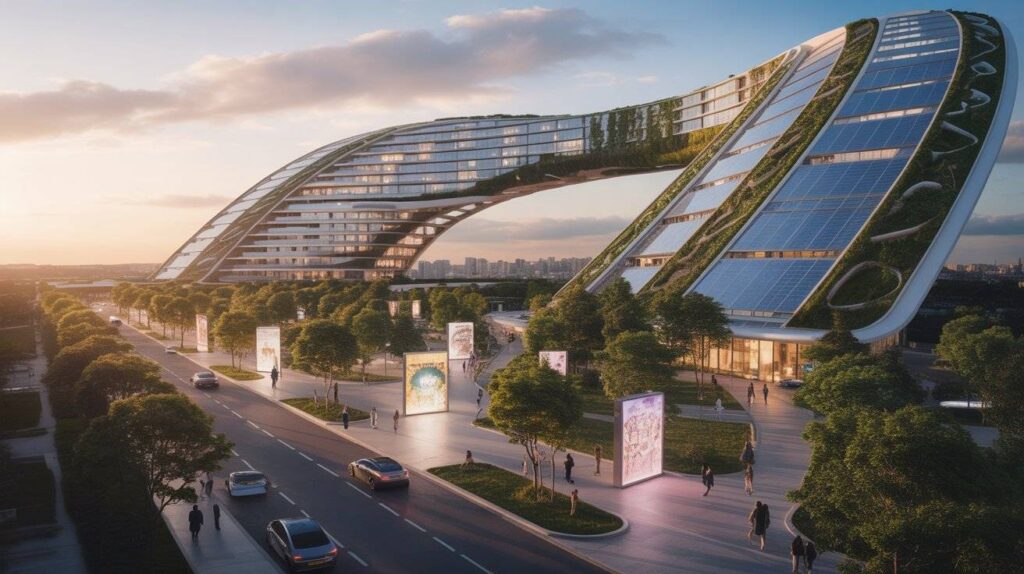
The future of Axurbain looks promising as cities increasingly adopt smart solutions and sustainable models. Emerging trends include AI-driven urban planning, renewable energy integration, and enhanced mobility systems.
Its global influence is growing, inspiring cities worldwide to rethink urban life. With continuous innovation, Axurbain could redefine how people live, work, and interact in urban environments, shaping smart, resilient, and connected cities for the decades ahead.
How to Engage with Axurbain
Citizens, planners, and businesses can actively engage with Axurbain by participating in smart city projects, following updates, and advocating for sustainable urban solutions. Learning to spot authentic innovations versus marketing hype ensures informed decisions.
Engaging with local governments and community initiatives helps translate concepts into real benefits. Staying informed, contributing ideas, and supporting pilot projects ensures everyone benefits from the Axurbain model’s vision of smarter cities.
FAQ
1: What is Axurbain?
Axurbain is an innovative urban model that integrates smart technology, sustainability, and human-centered design to create efficient, livable, and modern cities.
2: How does Axurbain benefit citizens?
Residents enjoy better mobility, cleaner environments, improved public services, inclusive community spaces, and enhanced quality of life through Axurbain’s holistic urban approach.
3: What challenges does Axurbain face?
Challenges include high implementation costs, technological risks, privacy concerns, and unequal access, which require careful planning and collaboration to overcome.
4: How is Axurbain different from traditional city models?
Unlike conventional cities, Axurbain emphasizes smart infrastructure, sustainability, citizen engagement, and adaptive systems, rather than only focusing on basic infrastructure and top-down planning.
5: Can any city implement Axurbain?
Yes, with proper planning, collaboration, and investment, cities can adopt Axurbain principles to improve efficiency, sustainability, and overall urban living experience.
Conclusion
Axurbain represents the future of urban living by combining smart technology, sustainability, and human-centered design. It enhances city efficiency, connectivity, and lifestyle while addressing modern urban challenges. Despite challenges, its adaptable model offers practical solutions, inspiring cities worldwide to adopt smarter, greener, and more inclusive urban systems for a resilient and vibrant future.
Must Read