
Tahhiini is a creamy, nutty paste made from ground sesame seeds, widely celebrated in Middle Eastern and Mediterranean cuisines. Its rich flavor and versatility make it a favorite ingredient in both savory and sweet dishes. Beyond taste, tahhiini is a powerhouse of nutrients, including healthy fats, plant-based protein, minerals, and antioxidants.
This guide explores tahhiini’s origins, culinary uses, health benefits, storage tips, recipes, and buying guide to help you enjoy this nutritious ingredient to the fullest.
Tahhiini is a creamy sesame paste packed with nutrients, health benefits, and versatile uses in recipes, dressings, and desserts worldwide.
What Is Tahhiini?
Simple Definition of Tahhiini
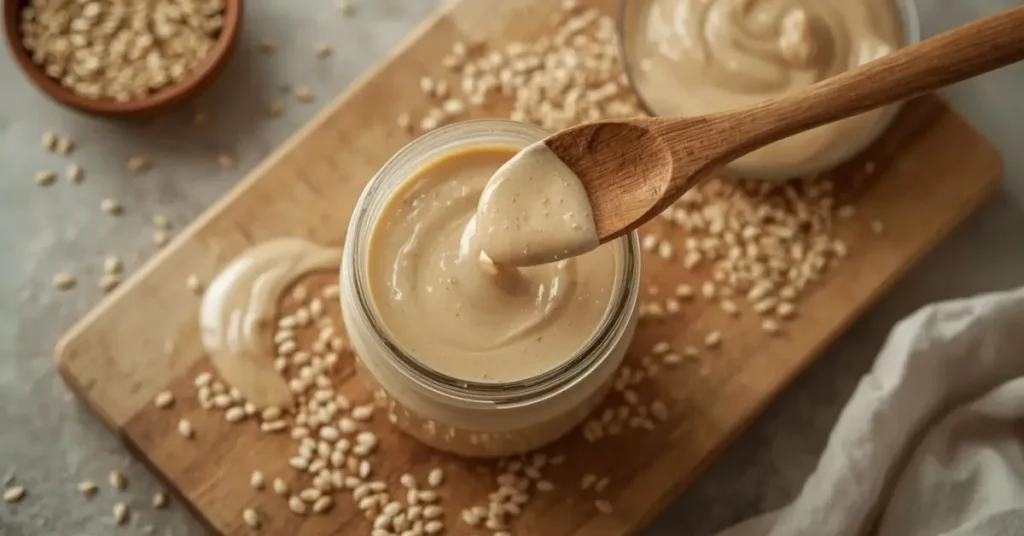
Tahhiini is a smooth, creamy paste made from roasted or raw sesame seeds. It offers a rich, nutty flavor that enhances hummus, baba ghanoush, salad dressings, and desserts. Unlike peanut butter or almond paste, tahhiini is thinner, pourable, and slightly bitter, providing a distinct taste that pairs well with both savory and sweet recipes. Its natural oils give it a silky texture that is unique among nut and seed spreads.
Tahhiini vs Other Nut Butters
While often compared to peanut or almond butter, tahhiini is nutritionally and texturally distinct. It has higher calcium and iron content, lower sugar, and more unsaturated fats, making it heart-healthy. The flavor is more versatile, blending seamlessly into sauces, smoothies, dressings, and even baked goods. Unlike thicker nut butters, tahhiini pours easily, making it perfect for drizzling, mixing, and creating creamy consistency in recipes.
The Origins and History of Tahhiini
Ancient Middle Eastern and Mediterranean Roots
Tahhiini has been enjoyed for thousands of years. Sesame seeds, native to the Middle East and Africa, were first cultivated around 3000 BCE. Ancient civilizations, including the Sumerians and Babylonians, ground sesame seeds into paste for both culinary and medicinal purposes. This creamy spread became a cultural staple, used in dishes such as hummus, baba ghanoush, and halvah. Its historical roots highlight the cultural and nutritional significance of this simple yet versatile ingredient.
How Tahhiini Became a Global Staple
With trade and migration, tahhiini spread across the Mediterranean, North Africa, and eventually Europe and North America. Today, it’s a global ingredient, featured in gourmet restaurants, home kitchens, and health-conscious diets. Its rise in popularity is fueled by plant-based diets, creative culinary innovations, and an appreciation for authentic, nutrient-rich foods. Tahhiini’s enduring appeal lies in its combination of flavor, tradition, and nutrition.
Health Benefits of Tahhiini
Nutritional Value (Protein, Fats, Minerals)
Tahhiini is rich in unsaturated fats, which support heart health, regulate cholesterol, and improve overall cardiovascular function. It provides plant-based protein for vegetarians and vegans, while essential minerals like calcium, magnesium, iron, and zinc strengthen bones and boost immunity. Tahhiini also contains antioxidants, helping reduce inflammation and oxidative stress. A few tablespoons added to meals can contribute to your daily nutritional needs effectively and deliciously.
Heart, Bone, and Overall Wellness
Regular tahhiini consumption promotes heart health, supports bone density, and contributes to overall wellness. Healthy fats help maintain balanced cholesterol levels, while minerals like calcium and magnesium enhance skeletal strength. Additionally, tahhiini’s antioxidants may lower the risk of chronic diseases and inflammation. Incorporating it into daily meals, whether in dressings, dips, or smoothies, makes it easy to enjoy these health benefits consistently.
Culinary Uses of Tahhiini
Traditional Recipes (Hummus, Baba Ghanoush)
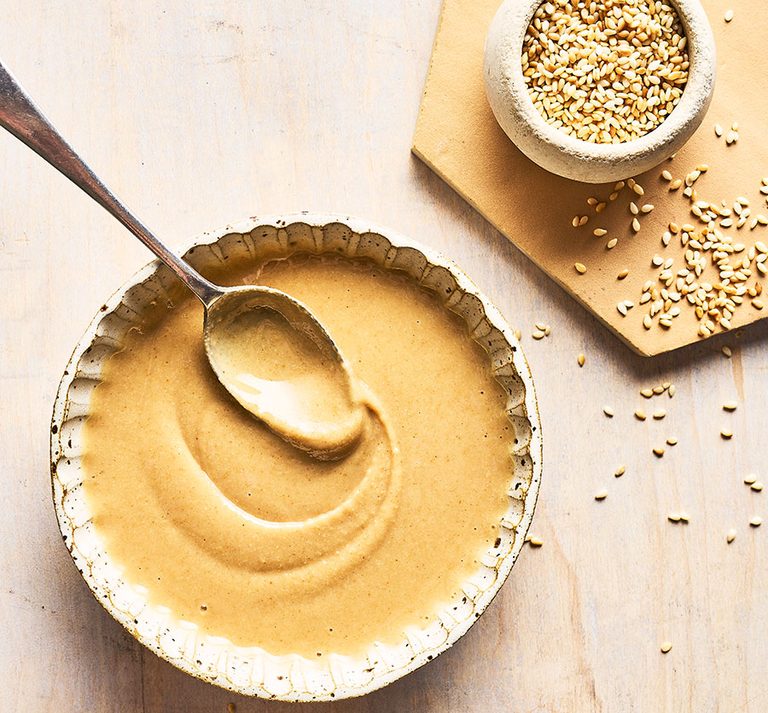
Tahhiini is essential in traditional Middle Eastern dishes. In hummus, it adds creamy texture and a nutty depth of flavor. Baba ghanoush, made with roasted eggplant, is enhanced by tahhiini’s smooth consistency. It also appears in halvah and other sweets, where it balances sugar and brings a rich, nutty flavor. Using authentic tahhiini ensures these recipes retain their cultural taste and nutritional value.
Modern & Creative Ideas (Smoothies, Desserts, Dressings)
Beyond traditional dishes, tahhiini is highly versatile. Blend it into smoothies with banana and spinach for creamy texture and nutrition. Add it to salad dressings for a nutty, flavorful twist. In desserts, mix tahhiini into cookies, brownies, or energy bars for depth of flavor. Roasted vegetables tossed with tahhiini sauce elevate simple dishes. Its versatility makes it suitable for modern, global, and fusion cuisines.
How to Store and Choose Quality Tahhiini
Storage Tips for Freshness
To maintain flavor and texture, store tahhiini in a sealed container in a cool, dry place. Refrigeration helps prolong shelf life and prevents oil separation. Stir well before each use, as natural oils may rise to the surface. Proper storage ensures tahhiini remains creamy, rich, and ready for any recipe without compromising taste or nutrients.
Choosing the Best Tahhiini Brand
High-quality tahhiini should be smooth, creamy, and made from pure sesame seeds without added oils or preservatives. Hulled sesame seeds produce lighter, milder tahhiini, while unhulled seeds offer stronger flavor and higher nutrient content. Organic and minimally processed brands often deliver the best taste and health benefits. Reading labels and selecting trusted brands ensures consistency, nutrition, and authentic flavor in every jar.
FAQs
1. What is tahhiini and how is it used?
Tahhiini is a sesame seed paste used in dips, sauces, smoothies, desserts, and salad dressings. Its creamy texture and nutty flavor enhance both savory and sweet dishes.
2. How often should tahhiini be consumed for health benefits?
A few tablespoons daily can provide healthy fats, protein, minerals, and antioxidants, supporting heart health, bone strength, and overall wellness.
3. Is tahhiini suitable for vegans?
Yes, tahhiini is entirely plant-based, making it perfect for vegans and vegetarians. It provides protein, minerals, and healthy fats without any animal products.
4. Can tahhiini replace other nut butters?
Yes, it can replace peanut or almond butter in recipes, though its flavor is nuttier and slightly bitter, making it ideal for dressings, dips, and desserts.
5. How to prevent tahhiini from separating?
Store in a cool place or refrigerate. Stir well before use, as natural oils rise to the top. Proper storage keeps it creamy and smooth.
Conclusion and Next Steps
Tahhiini is a versatile, nutrient-rich sesame paste that enhances flavor and boosts health. From traditional hummus to creative smoothies and desserts, it adds depth to every dish. By choosing high-quality tahhiini and incorporating it regularly, you can enjoy its culinary and health benefits while exploring new recipes that delight your taste buds and elevate everyday meals.