


kalibraatio is a critical process that ensures measuring instruments deliver accurate, reliable, and consistent results. In industries where even a small error can lead to major losses, kalibraatio acts as a quality backbone.
From laboratories and hospitals to manufacturing plants and aerospace systems, proper kalibraatio maintains trust in data, improves safety, and supports compliance with international standards. This complete guide explains kalibraatio in simple, human-friendly language while covering its technical importance in depth.
Kalibraatio ensures accurate measurement, safety, and compliance across industries. Learn its types, process, standards, and future trends in this guide.
What Is Kalibraatio?

Simple Definition of Kalibraatio
Kalibraatio is the process of checking a measuring instrument by comparing it with a known and accurate reference standard. The goal is to confirm whether the instrument is giving correct readings. If differences are found, the instrument is adjusted or corrected. Kalibraatio ensures accuracy, consistency, and confidence in measurement results used for decisions, production, and safety.
Kalibraatio vs Measurement – Key Difference
Measurement is simply reading a value from an instrument, such as temperature or pressure. Kalibraatio, on the other hand, verifies whether that measurement is correct. Without kalibraatio, measurements can drift over time. In simple words, measurement gives data, while kalibraatio ensures that data can be trusted.
Why Kalibraatio Is Important in Modern Industries
Ensuring Accuracy and Consistency
Kalibraatio ensures that instruments perform accurately over long periods. Consistent measurements help businesses maintain product quality and process stability. When tools are regularly calibrated, results remain uniform across different machines, teams, and locations, reducing confusion and costly rework.
Safety, Quality, and Risk Reduction
Inaccurate instruments can cause serious safety risks, especially in healthcare, aviation, and chemical industries. Kalibraatio reduces these risks by ensuring devices operate within safe limits. Accurate measurements protect workers, users, and end customers from potential hazards.
Regulatory Compliance and Standards
Many industries are legally required to perform regular kalibraatio. Regulatory bodies demand proof that measuring instruments meet defined standards. Proper calibration records help organizations pass audits, avoid penalties, and demonstrate professional responsibility.
How the Kalibraatio Process Works
Comparison with Reference Standards
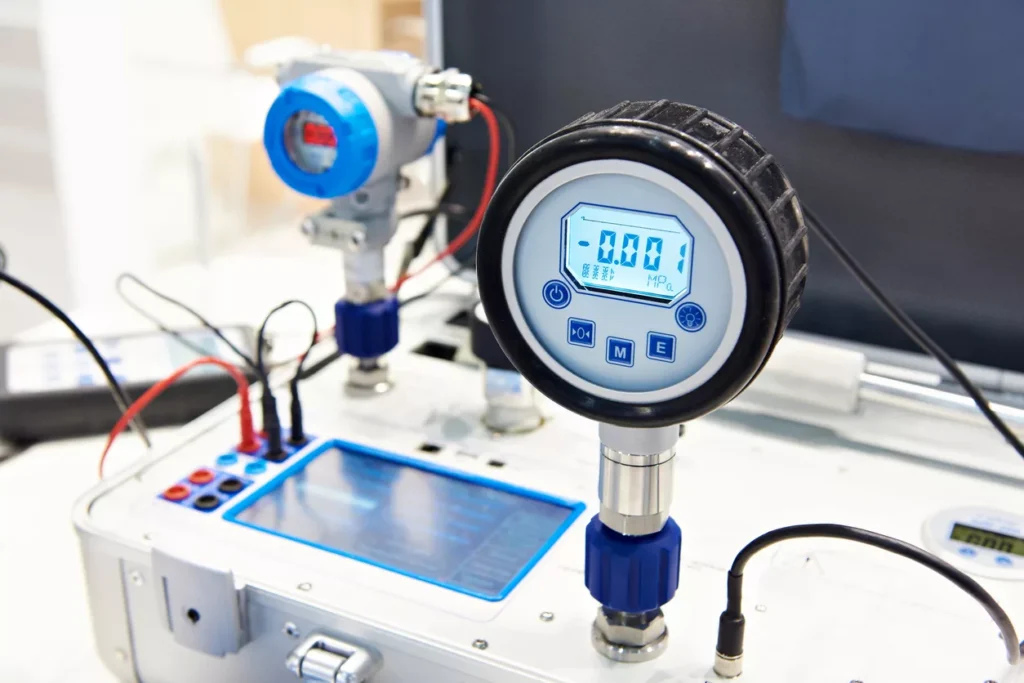
The kalibraatio process begins by comparing an instrument’s readings with a highly accurate reference standard. These standards are traceable to national or international measurement systems. Any deviation between the instrument and the reference shows the level of error present.
Adjustment, Verification, and Documentation
If errors exceed acceptable limits, the instrument is adjusted. After adjustment, verification is done to confirm accuracy. The entire process is documented in a calibration certificate, which includes results, dates, and traceability details.
Understanding Traceability in Kalibraatio
Traceability means that calibration results can be linked back to recognized standards through an unbroken chain. This ensures global consistency and allows measurements to be compared worldwide with confidence and reliability.
Types of Kalibraatio Methods
Mechanical Kalibraatio
Mechanical kalibraatio applies to instruments like pressure gauges, weighing scales, and torque tools. It ensures that mechanical forces such as load, pressure, and motion are measured accurately. This method is common in manufacturing and construction industries.
Electrical Kalibraatio
Electrical kalibraatio focuses on instruments that measure voltage, current, resistance, and frequency. Devices such as multimeters and power analyzers must be calibrated to ensure accurate electrical performance and system safety.
Thermal Kalibraatio
Thermal kalibraatio ensures accurate temperature measurement using devices like thermometers and thermal sensors. It is essential in industries such as food processing, pharmaceuticals, and research laboratories where temperature control is critical.
Dimensional Kalibraatio
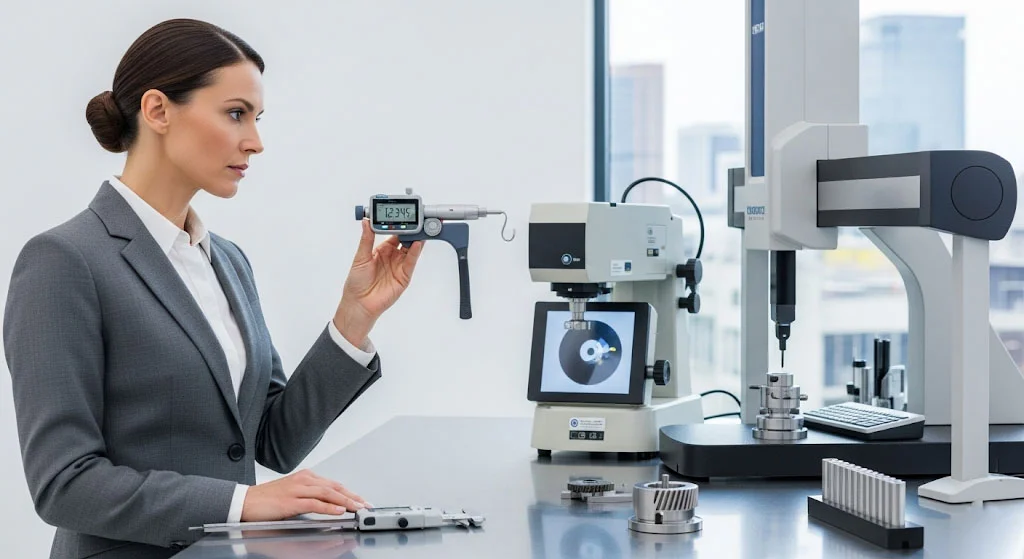
Dimensional kalibraatio verifies measurements of length, angle, and geometry. Tools like calipers and micrometers are calibrated to ensure precision in engineering, machining, and quality inspection processes.
Industries That Depend on Kalibraatio
Manufacturing and Engineering
Manufacturing relies heavily on kalibraatio to maintain product quality and reduce waste. Accurate measurements ensure parts fit correctly and processes remain efficient. Without calibration, even minor errors can result in large financial losses.
Healthcare and Medical Equipment
Medical devices must be calibrated regularly to ensure patient safety. Blood pressure monitors, infusion pumps, and diagnostic equipment rely on kalibraatio to provide accurate results that doctors trust for treatment decisions.
Automotive, Aviation, and Aerospace
These industries require extreme precision and safety. Kalibraatio ensures that engines, sensors, and control systems function correctly. In aviation and aerospace, accurate calibration is essential to prevent catastrophic failures.
Environmental Monitoring and Laboratories
Environmental sensors and lab instruments must provide precise data for research and regulatory reporting. Kalibraatio ensures that air, water, and soil measurements are reliable and scientifically valid.
Kalibraatio Standards and Certifications
ISO/IEC 17025 Explained
ISO/IEC 17025 is the international standard for calibration and testing laboratories. It ensures technical competence, proper methods, and accurate results. Laboratories accredited to this standard are globally recognized and trusted.
ISO 9001 and Quality Management
ISO 9001 focuses on quality management systems. It requires organizations to control measuring equipment through regular kalibraatio. This standard helps businesses maintain consistent quality and customer satisfaction.
Why Accredited Calibration Matters
Accredited kalibraatio ensures that calibration is performed by qualified professionals using certified standards. It increases confidence in results and is often required for legal and contractual purposes.
Common Kalibraatio Mistakes to Avoid

One-Time Calibration Myth
Many people believe calibration is a one-time task. In reality, instruments change over time due to wear and environmental factors. Regular kalibraatio is necessary to maintain accuracy.
Ignoring Environmental Conditions
Temperature, humidity, and vibration can affect measurements. Performing kalibraatio without controlling these conditions can lead to incorrect results and false confidence in data.
Poor Documentation and Traceability
Missing or incomplete records weaken compliance and audit readiness. Proper documentation ensures traceability, accountability, and long-term reliability of measurement systems.
The Future of Kalibraatio Technology
Automation and Digital Calibration
Digital tools and automation are transforming kalibraatio. Automated systems reduce human error, speed up processes, and provide real-time data tracking for better efficiency and accuracy.
AI, IoT, and Predictive Kalibraatio
AI and IoT enable predictive kalibraatio by monitoring instrument performance continuously. This allows calibration before failures occur, reducing downtime and maintenance costs.
FAQ
1.What is kalibraatio and why is it important?
Kalibraatio is the process of checking instruments against standards. It ensures accurate, reliable measurements, reduces errors, and maintains safety and compliance in industries.
2.How often should kalibraatio be performed?
The frequency of kalibraatio depends on instrument use, environment, and industry requirements. High-risk or heavily used equipment often needs more frequent calibration to ensure accuracy.
3.Is kalibraatio mandatory by law?
In many industries like healthcare, aviation, and manufacturing, kalibraatio is legally required. It ensures instruments meet safety and quality standards and helps pass audits.
4.What happens if kalibraatio is skipped?
Skipping kalibraatio can lead to inaccurate measurements, safety risks, product defects, and potential regulatory penalties, impacting both quality and operational reliability.
5.What is the difference between calibration and adjustment?
Calibration checks the accuracy of an instrument, while adjustment corrects it if errors are found. Both steps are essential for reliable measurement results.
Conclusion and Next Steps
Kalibraatio is essential for accurate measurements, safety, and consistent quality across industries. Regular calibration prevents errors, ensures compliance with standards, and builds trust in data. To maintain reliability, schedule periodic kalibraatio, follow proper documentation practices, and invest in accredited services. Start today to protect your processes, enhance efficiency, and ensure your instruments always deliver precise results.