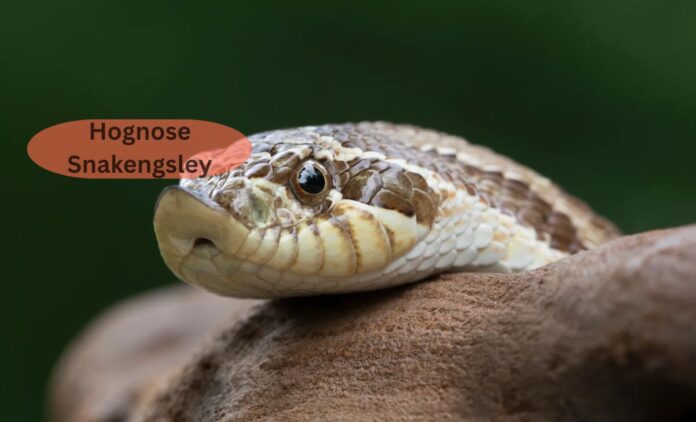


Hognose snakes are fascinating reptiles known for their unique upturned snouts, striking patterns, and captivating behavior. Found across North America and Madagascar, these snakes are non-venomous yet exhibit remarkable defense strategies like bluffing and playing dead.
Highly adaptable to different habitats, they thrive in grasslands, forests, and sandy soils. Whether you are a wildlife enthusiast, reptile keeper, or curious learner, understanding the hognose snake’s behavior, care, and conservation provides an intriguing glimpse into one of nature’s most interesting species.
Hognose snake is a unique species known for its striking appearance behavior and care. Explore habitat, diet, myths, and tips for pet hognose snakes.
What is a Hognose Snake?
Hognose snakes are a distinctive group of small to medium-sized snakes recognized for their upturned snouts, which they use for digging in sandy soils. They belong primarily to the genera Heterodon (North America) and Leioheterodon (Madagascar), with species exhibiting unique behaviors that make them intriguing to herpetologists and reptile enthusiasts. These snakes are harmless to humans but have fascinating defensive strategies.
Habitat and Distribution
Natural Habitats of Hognose Snakes
Hognose snakes thrive in diverse habitats, including grasslands, forests, coastal areas, and deserts. They prefer loose, sandy soil where they can burrow to hunt prey and evade predators. Their burrowing lifestyle makes them highly adapted to terrestrial environments.
Geographic Range and Adaptation
North American hognose snakes are found mainly in the United States, ranging from the East Coast to the Midwest. Madagascar species occupy forests and shrublands. Adaptability to different climates and terrains allows them to survive in both wild and semi-urban areas, often close to human settlements.
Behavior and Lifestyle
Daily Activity and Movement Patterns
Hognose snakes are primarily diurnal, active during the day while hunting or exploring. They move slowly but are skilled burrowers, using their snouts to dig and hide under soil or leaf litter.
Feeding Habits and Prey Preferences
Their diet mainly consists of amphibians, particularly toads, which they can detect by scent. Some species may eat lizards, small rodents, and eggs. They are constrictors and use mild venom in the saliva to subdue prey, posing no real danger to humans.
Defense Mechanisms and Survival Tactics
Hognose snakes have developed fascinating defensive behaviors. When threatened, they may hiss loudly, flatten their heads, perform mock strikes, or play dead. These behaviors confuse predators and increase their chances of survival.
Physical Characteristics
Size, Color, and Scale Patterns
Adult hognose snakes range from 15 to 36 inches in length. Their smooth scales, upturned snout, and patterned coloration aid in camouflage and foraging. Juveniles often display more vibrant colors than adults, which fade slightly with age.
Differences Between Species
While all hognose snakes share common traits, some variations exist. Eastern hognose snakes (Heterodon platirhinos) are known for dramatic death-feigning displays, whereas western species (Heterodon nasicus) dig more extensively and have a more subdued coloration. Madagascar species show greater size diversity and unique head shapes.
Reproduction and Lifespan
- Breeding Season: Hognose snakes typically breed in spring, soon after emerging from winter dormancy (brumation), when temperatures rise.
- Mating Behavior: Males locate females using scent trails; courtship involves circling, nudging, and aligning bodies for successful copulation.
- Egg Laying: Females lay 10–25 eggs in loose, sandy soil or burrows; eggs are buried to maintain warmth and humidity.
- Incubation Period: Eggs incubate for about 45–65 days, depending on temperature and environmental conditions, before hatching.
- Lifespan: Hognose snakes live around 10–15 years in the wild, while in captivity with proper care, they can live up to 18–20 years.
Care in Captivity
Housing Requirements for Pet Hognose Snakes
A secure terrarium with adequate floor space, substrate for burrowing, hiding spots, and a controlled temperature gradient is essential. Humidity levels should mimic natural habitats, ensuring proper shedding and health.
Diet and Feeding Tips in Captivity
Pet hognose snakes thrive on toads, frogs, and appropriately sized rodents. Feeding frequency depends on age; hatchlings eat twice weekly, while adults feed once weekly. Avoid overfeeding to prevent obesity.
Health Care and Common Diseases
Regular veterinary checkups are crucial. Common issues include respiratory infections, mites, and shedding problems. Maintaining cleanliness, correct temperature, and humidity can prevent most health issues.
Conservation Status and Threats
Population Trends in the Wild
Most North American species are stable but local populations are threatened by habitat destruction and road mortality. Madagascar species face greater risk due to deforestation.
Human Impacts and Habitat Loss
Urban expansion, agriculture, and pesticide use reduce prey availability and disrupt habitats. Awareness and protection efforts are essential for sustaining healthy wild populations.
Interesting Facts About Hognose Snakes
Famous Species and Variants
Popular species include the eastern hognose snake, western hognose snake, and Madagascar hognose. Each has unique traits and color morphs highly prized by reptile collectors.
Misconceptions and Myths
Despite their bluffing behavior, hognose snakes are non-venomous and pose minimal risk to humans. Misidentification with venomous snakes often leads to unnecessary killing, highlighting the importance of education.
FAQs
1: What is a hognose snake and where is it found?
Hognose snakes are non-venomous reptiles known for their upturned snouts, found mainly in North America and Madagascar, inhabiting grasslands, forests, and sandy soils.
2: Are hognose snakes dangerous to humans?
No, hognose snakes are non-venomous and generally harmless, though they may bluff, hiss, or play dead to scare threats without posing real danger to humans.
3: What do hognose snakes eat in the wild?
Hognose snakes primarily feed on amphibians like toads, frogs, small rodents, and occasionally insects, using their keen sense of smell to locate prey in soil or leaf litter.
4: How long do hognose snakes live?
In captivity, hognose snakes can live up to 15–20 years with proper care, while wild specimens generally live shorter lives due to predation and environmental factors.
5: Can hognose snakes be kept as pets?
Yes, hognose snakes are popular pets due to their manageable size, non-venomous nature, and unique behaviors, but they require proper habitat, diet, and regular handling for health and comfort.
Conclusion
Hognose snakes are extraordinary reptiles, combining unique behavior, adaptability, and fascinating physical traits. Their burrowing lifestyle, distinctive defense mechanisms, and varied diets make them a subject of intrigue for wildlife enthusiasts. Whether in the wild or as pets, understanding their care, habitat, and conservation needs ensures these charming reptiles continue to thrive for generations.