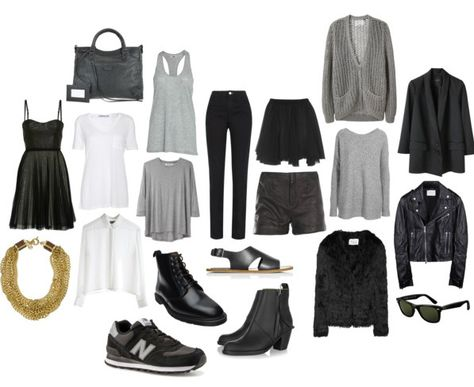


In today’s fast-moving world, fashion trends change quickly, and many people feel pressured to buy new clothes every season. As a result, wardrobes become full, yet we often feel like we have “nothing to wear.” This is where minimalist fashion comes in. A minimalist fashion wardrobe guide helps you create a clean, stylish, and practical wardrobe using fewer clothes while still looking confident and put together every day.
Minimalist fashion is not about limiting yourself or wearing boring outfits. Instead, it focuses on simplicity, quality, and thoughtful choices. This guide will explain what minimalist fashion is, why it matters, and how you can build a wardrobe that truly works for your lifestyle.
What Is Minimalist Fashion?
Minimalist fashion is a style approach that focuses on owning fewer clothing items that are versatile, timeless, and high quality. Rather than chasing trends, minimalist fashion emphasizes classic designs, neutral colors, and comfortable fits that never go out of style.
The goal is to reduce clutter, save time, and make dressing easier. When every item in your wardrobe matches well with others, you don’t waste time deciding what to wear. You feel more confident because your clothes reflect your personal style instead of fast fashion trends.
Minimalist fashion also encourages mindful shopping. You buy only what you need and what you truly love, making your wardrobe more meaningful and long-lasting.
Why a Minimalist Wardrobe Is a Smart Choice
A minimalist fashion wardrobe offers many benefits beyond just style. One of the biggest advantages is simplicity. With fewer clothes, your mornings become easier, and your space feels more organized.
Financially, minimalist fashion helps you save money. Instead of buying many low-quality items, you invest in fewer, better pieces that last longer. Over time, this reduces unnecessary spending.
Minimalist wardrobes are also better for the environment. Fast fashion creates waste and pollution, while minimalist fashion promotes sustainability by reducing consumption.
Emotionally, a clutter-free wardrobe can reduce stress. When your clothes fit well and reflect who you are, you feel comfortable and confident every day.
Understanding Your Personal Style First
Before building a minimalist wardrobe, it’s important to understand your personal style. Minimalism does not look the same for everyone. Some people prefer a modern look, while others lean toward classic or casual styles.
Start by observing what you already wear most often. Notice which clothes make you feel comfortable and confident. Think about your daily routine, work environment, climate, and lifestyle needs. A minimalist wardrobe should support your life, not restrict it.
You can also look for inspiration from fashion blogs, social media, or magazines, but remember to adapt ideas to your own taste rather than copying someone else’s style completely.
Essential Pieces in a Minimalist Fashion Wardrobe
A minimalist wardrobe is built around essential clothing items that can be mixed and matched easily. These pieces usually have simple designs and neutral colors such as black, white, beige, gray, or navy.
Tops like plain t-shirts, button-down shirts, and lightweight sweaters form the base of most outfits. Bottoms may include well-fitted jeans, tailored trousers, or a simple skirt. These items should be comfortable and suitable for multiple occasions.
Outerwear is also important. A classic blazer, a neutral jacket, or a simple coat can elevate your outfit instantly. Shoes should be practical yet stylish, such as white sneakers, loafers, or ankle boots.
Accessories in a minimalist wardrobe are kept simple. A quality bag, a belt, or subtle jewelry can add personality without overpowering the outfit.
Choosing Quality Over Quantity
One of the core principles of minimalist fashion is choosing quality over quantity. This means paying attention to fabric, stitching, and fit before buying any clothing item.
High-quality fabrics like cotton, linen, wool, and denim tend to last longer and feel better on the skin. Well-made clothes keep their shape even after many washes, saving you money in the long run.
Instead of buying several cheap items, invest in one piece that you truly love and will wear often. Over time, your wardrobe will become smaller but more valuable and functional.
How to Declutter Your Wardrobe the Minimalist Way
Decluttering is an essential step in creating a minimalist fashion wardrobe. Begin by taking everything out of your closet and reviewing each item honestly.
Ask yourself if you wear the item regularly, if it fits well, and if it matches your current style. If something hasn’t been worn in a year or makes you feel uncomfortable, it may be time to let it go.
You can donate, sell, or recycle clothes you no longer need. The goal is not to throw everything away but to keep only what adds value to your life. After decluttering, you’ll have a clearer idea of what items are missing from your wardrobe.
Building Outfits With Fewer Clothes
One of the biggest advantages of a minimalist wardrobe is how easy it is to create outfits. When your clothes share similar colors and styles, mixing and matching becomes effortless.
For example, a neutral t-shirt can be paired with jeans for a casual look or with trousers and a blazer for a more polished outfit. Layering also helps extend the use of your clothes across different seasons.
Planning outfits in advance can help you see how versatile your wardrobe really is. You’ll often realize that fewer clothes can create many stylish combinations.
Minimalist Fashion for Different Seasons
A minimalist fashion wardrobe works for every season with small adjustments. In warmer months, lightweight fabrics and breathable materials are key. Simple dresses, linen shirts, and comfortable sandals are popular choices.
During colder seasons, layering becomes important. Neutral sweaters, coats, and scarves can keep you warm while maintaining a clean look. Choose items that can be layered easily without feeling bulky.
Seasonal changes don’t require a complete wardrobe update. Adding or removing a few key pieces is enough to stay comfortable and stylish year-round.
Common Mistakes to Avoid in Minimalist Fashion
One common mistake is trying to follow strict rules. Minimalist fashion should be flexible and personal. Don’t force yourself to remove clothes you love just to meet a certain number.
Another mistake is buying items just because they are labeled “minimalist.” Always consider whether the item fits your lifestyle and personal taste.
Lastly, avoid rushing the process. Building a minimalist wardrobe takes time. Focus on gradual improvements rather than quick changes.
Conclusion
A minimalist fashion wardrobe guide is not just about fashion; it’s about creating a lifestyle that values simplicity, confidence, and intentional choices. By focusing on quality, versatility, and personal style, you can build a wardrobe that works for you every day.
Minimalist fashion helps you save time, reduce stress, and express yourself more clearly. With fewer clothes and smarter choices, getting dressed becomes easier and more enjoyable. Whether you are new to minimalism or looking to refine your style, this guide can help you take meaningful steps toward a simpler and more stylish life.
Frequently Asked Questions (FAQs)
1. Is minimalist fashion suitable for all ages?
Yes, minimalist fashion works for all ages. It focuses on timeless pieces and personal comfort rather than age-specific trends.
2. How many clothes should a minimalist wardrobe have?
There is no fixed number. A minimalist wardrobe includes only clothes you love, wear often, and feel comfortable in.
3. Can minimalist fashion still be colorful?
Absolutely. While neutral colors are common, you can include colors you enjoy as long as they fit your overall style.
4. Is minimalist fashion expensive?
It can save money in the long run. Although quality items may cost more upfront, they last longer and reduce frequent shopping.
5. How long does it take to build a minimalist wardrobe?
It depends on the individual. Some people take a few months, while others refine their wardrobe gradually over a year or more.