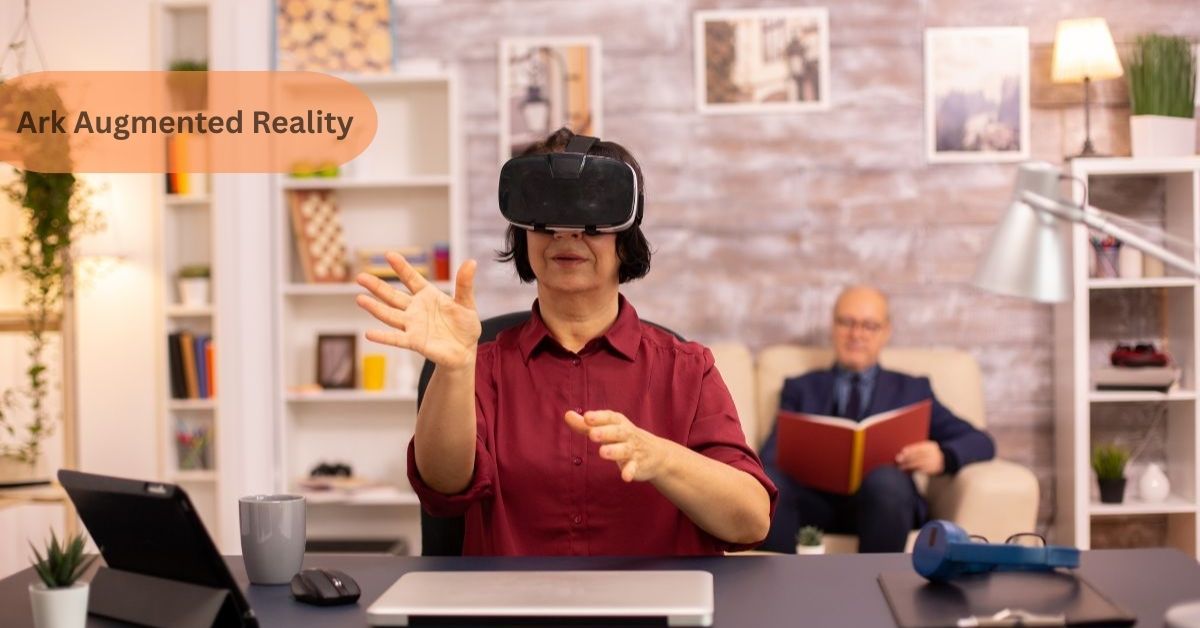


Ark Augmented Reality is quickly becoming one of the most talked-about technologies in the digital world, thanks to its powerful blend of real-world environments and intelligent virtual overlays. Unlike traditional AR systems, Ark AR uses knowledge-driven models that learn, adapt, and respond to users in real time. This advanced approach allows people to interact with information, objects, and spaces in a smarter and more meaningful way.
From education and healthcare to gaming and retail, its applications are expanding at an impressive pace. As industries push toward immersive digital interaction, Ark Augmented Reality stands out as a transformative tool shaping how we experience technology. With its rapid evolution and high potential, Ark AR is setting the foundation for the next era of intelligent digital experiences.
Ark Augmented Reality transforms digital interaction with intelligent overlays, smart learning, immersive experiences, and real-time insights. Discover how Ark AR is shaping the future.
What Is Ark Augmented Reality?
Ark Augmented Reality is an advanced technology framework designed to merge real-world environments with digitally enhanced, knowledge-based overlays. Unlike standard AR systems that simply display virtual objects on a camera screen, Ark AR focuses on contextual intelligence. It understands what the user is looking at and then provides real-time, meaningful insights. This makes Ark AR more powerful, more useful, and more interactive across a wide range of industries.
Its core purpose is to make digital information naturally blend into physical surroundings so users can understand, learn, and interact more effectively. From industrial operations to entertainment, Ark AR delivers a deeper, more intelligent augmented experience.
How Ark AR Combines Knowledge & Real-World Experiences
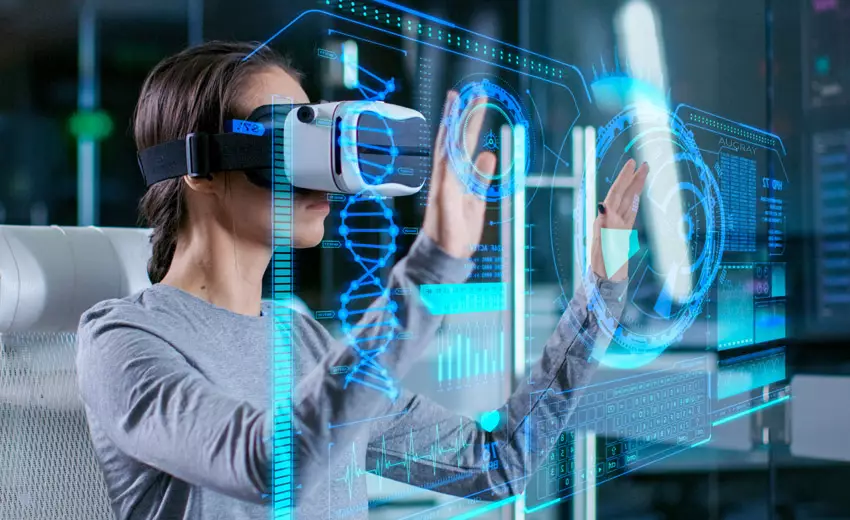
Ark AR isn’t just visual, it is knowledge-driven. The system collects data from sensors, cameras, and AI-based engines, then processes it to produce information that is relevant to the object or space being viewed. This real-time knowledge layer transforms ordinary environments into intelligent, information-rich spaces.
It can recognize objects, analyze environments, and generate detailed overlays like labels, instructions, warnings, 3D animations, and navigation paths. As a result, Ark AR becomes not only an interactive tool but also an educational and decision-support system.
Key Features That Make Ark AR Stand Out
- Smart Object Recognition – Identifies objects, surfaces, and structures instantly.
- Contextual Data Mapping – Provides information tailored to what the user sees.
- 3D Interactive Overlays – Realistic visuals enhance understanding and engagement.
- AI-Powered Knowledge Engine – Generates intelligent recommendations and insights.
- Multi-Device Compatibility – Works across smartphones, AR glasses, and headsets.
- High-Precision Spatial Tracking – Ensures smooth, accurate positioning of visuals.
- User-Friendly Interface – Designed for fast learning and seamless interaction.
These features make Ark AR an ideal choice for industries seeking smarter, more efficient, and more engaging digital tools.
The Technology Behind Ark AR (Simplified Breakdown)

Ark Augmented Reality integrates several advanced technologies to create an intelligent and responsive AR system. It operates through:
- Computer Vision: Helps the system understand what it sees.
- Machine Learning: Improves recognition accuracy over time.
- Spatial Mapping: Detects surfaces, distances, and physical boundaries.
- Cloud-Based Knowledge Networks: Delivers real-time, updated information.
- AI Decision Models: Predict what the user needs to know based on context.
Together, these technologies enable Ark AR to offer dynamic, highly relevant visual intelligence that adapts to environments and user behavior.
Real-World Applications of Ark AR
Education & Smart Learning
Ark AR transforms learning spaces into interactive knowledge zones. Students can view 3D models of planets, chemical reactions, historical events, or mechanical components right in front of them. This improves memory retention, boosts engagement, and makes complex subjects easier to understand.
For example, a biology student can scan a page and instantly see a 3D beating heart with labels and animations. Ark AR has the potential to redefine how future classrooms operate.
Healthcare Visualization
In healthcare, Ark AR acts as a guiding tool for doctors, medical students, and surgeons. It can project anatomical structures, surgical pathways, or diagnostic visuals directly onto real bodies or medical equipment.
This results in:
- Better diagnosis
- More accurate surgical planning
- Enhanced medical training
AR-assisted procedures and AR-based medical learning tools are already becoming popular in leading institutions worldwide.
Gaming & Immersive Entertainment
Ark AR pushes gaming beyond screens by bringing characters, missions, and environments into real spaces. Imagine battling monsters in your living room or solving puzzles that appear on your kitchen wall. This level of immersion makes gaming more realistic and enjoyable.
Developers can also build interactive attractions, theme park experiences, and multiplayer AR adventures that merge physical and digital worlds.
Business, Retail & Smart Navigation
Ark AR is extremely useful for businesses that rely on customer experience, training, or navigation.
Examples include:
- Retail stores displaying product info when customers point their camera.
- Warehouses offering AR-based navigation for workers.
- Offices using AR for training manuals, machinery instructions, and onboarding.
- Airports and malls offer AR paths for easy navigation.
Ark AR enhances productivity, minimizes confusion, and significantly improves customer satisfaction.
Benefits of Using Ark AR
Here are the key benefits businesses and users gain from Ark AR:
- Enhances real-world understanding
- Improves learning outcomes
- Reduces training time
- Boosts engagement and interaction
- Provides real-time, actionable data
- Delivers richer user experiences
- Makes complex tasks easier
- Increases efficiency across industries
Overall, Ark AR makes both personal and professional environments smarter and more intuitive.
Challenges & Limitations to Consider

While Ark AR is powerful, it does come with challenges:
- Device Limitations: Older devices may not support advanced AR functions.
- High Development Costs: Creating AR content and models can be expensive.
- Data Accuracy Issues: AR systems must be precise to avoid errors.
- Privacy Concerns: Continuous camera access may raise safety questions.
- Environmental Limitations: Poor lighting or reflective surfaces can affect performance.
These challenges are being addressed as the technology evolves, making AR more reliable each year.
Future Possibilities of Ark Augmented Reality
Ark AR is still in early stages, and its future is extremely promising. Advancements expected in the next decade include:
- AR holograms that appear without screens
- Smarter AI integration for predictive experiences
- AR glasses becoming mainstream
- Seamless blending of AR with daily work and lifestyle
- Hyper-realistic mixed reality environments
- Real-time multi-user AR collaboration
As AR evolves, Ark AR will continue leading the movement toward more immersive and intelligent digital interactions.
How Ark AR Is Transforming Digital Interaction
Ark Augmented Reality is shifting the global digital experience from screen-based to world-integrated. Instead of relying on phones and laptops for information, users can view details directly in their environment. This leads to faster understanding and more natural interaction with the world.
Businesses are adopting AR tools to boost efficiency, while consumers use it for entertainment and daily convenience. The transformation is already visible, and Ark AR plays a key role in accelerating this revolution.
FAQs
1. What is Ark Augmented Reality?
Ark Augmented Reality is an advanced AR system that blends real-world visuals with intelligent virtual information, creating highly interactive and immersive digital experiences.
2. How does Ark AR work?
Ark AR uses sensors, machine learning, and real-time data processing to detect environments and project accurate 3D overlays, allowing users to interact with digital elements naturally.
3. Where is Ark Augmented Reality used the most?
It is widely used in education, healthcare, gaming, retail navigation, business planning, and interactive training tools.
4. What makes Ark AR different from traditional AR?
Unlike basic AR tools, Ark Augmented Reality uses knowledge-emergent models that learn from user interactions, offering smarter responses and more realistic engagement.
5. Is Ark Augmented Reality the future of immersive technology?
Yes, Ark AR is considered a major step forward in immersive tech due to its adaptability, accuracy, and potential to transform digital interaction across multiple industries.
FAQ
Ark Augmented Reality represents a major technological leap. Its blend of intelligence, visualization, and real-world integration makes it one of the most influential innovations of this decade. Whether it’s education, healthcare, entertainment, or business, Ark AR has the potential to enhance experiences, increase productivity, and create smarter digital interactions.
As more companies adopt AR, Ark AR will become a foundation of future digital ecosystems, connecting knowledge, environments, and people in powerful new ways.
Must Read
Faqvehicle .com – Your Complete Guide for Smarter, Safer, and Hassle-Free Driving
Caricatronchi – The Ultimate Guide to Meaning, Uses & Modern Digital Trends
sightwive com – The Ultimate Platform to Enhance Collaboration, Creativity, and Digital Productivity